TONE3000

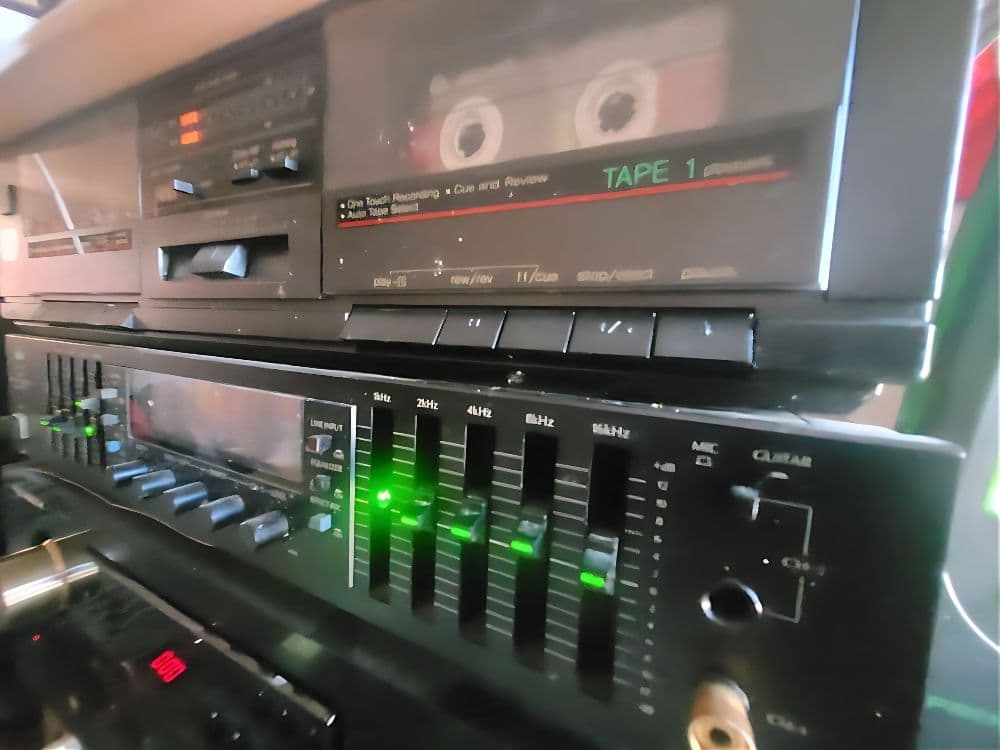
Technics RS-B17W with Sansui RG-7X

Outboard Capture

NAM

nutsosix

4 months ago

Description

Type-1 tape @120u Been Mastered ; Technics RS-B17W 1985 type-1 the lows on the EQ is boost on 60hz and 500hz on the highs bump on 1khz and 16khz on the Technics the loudness +3 The Master on mastered L,R, is at -21 The training file is -20 calibrated input;20 output;21 None interface the L is louder by hairs because of tape differences in L,R. the loud ones are master of -8 The Sansui RG-7X Consolette 1983 Analog "Color": Unlike modern digital EQs that strive for transparency, the RG-7X adds a subtle analog "weight" to the sound. Users often describe it as "sweet-sounding" and effective for "waking up" older speakers or adding life to sterile digital sources. 0.05% (adds a hint of vintage harmonic distortion). Signal-to-Noise ~75dB (expect a small amount of vintage "hiss," especially when boosting highs). The Technics RS-B17W tape deck brings a very specific flavor to the signal chain, especially when paired with the Sansui RG-7X. While it was originally designed as a consumer-grade double cassette deck, its "sonic color" in a modern production context is defined by saturation, soft-clipping, and mid-range focus. Here is a breakdown of how that deck colors the sound: 1. Tape Saturation and Compression Because this deck uses Type-1 (Normal Bias) tape, it has a lower "headroom" compared to high-end metal tapes. The Result: As you push the input levels (noted as +3 in your settings), the tape naturally "squashes" the peaks. This creates a pleasing, natural compression that makes drums punchier and glues the mix together. Harmonic Distortion: You get a subtle "fuzziness" or grit that feels more musical than digital clipping. 2. Frequency Response (The "Lo-Fi" Charm) The RS-B17W isn't perfectly flat across the frequency spectrum. It tends to have: Softened Highs: Consumer decks from this era often have a natural "roll-off" at the very top end (above 14-15kHz). This removes "digital harshness" but can make things sound a bit dark—which is likely why you've used the Sansui to bump the 16kHz range. remember the boosts

Preview

Model
IR
Input

Powered by

Models

Each model captures the gear at specific settings.

ESR: 0.0005

Epochs: 167

Sweep Signal

Standard

Captured on

Tone3000 - NAM Captures and IRs

ESR: 0.0007

Epochs: 149

Sweep Signal

Standard

Captured on

Tone3000 - NAM Captures and IRs

ESR: 0.0079

Epochs: 239

Sweep Signal

Standard

Captured on

Tone3000 - NAM Captures and IRs

ESR: 0.0074

Epochs: 422

Sweep Signal

Standard

Captured on

Tone3000 - NAM Captures and IRs

ESR: 0.0072

Epochs: 337

Sweep Signal

Standard

Captured on

Tone3000 - NAM Captures and IRs

ESR: 0.0077

Epochs: 208

Sweep Signal

Standard

Captured on

Tone3000 - NAM Captures and IRs

Standard

ESR: 0.0006

Epochs: 157

Sweep Signal

Standard

Captured on

Tone3000 - NAM Captures and IRs

ESR: 0.1317

Epochs: 100

Dry/Wet

Standard

Captured on

Tone3000 - NAM Captures and IRs

ESR: 0.2588

Epochs: 100

Dry/Wet

Standard

Captured on

Tone3000 - NAM Captures and IRs

3 Comments

Share your thoughts...
@username to mention • Ctrl+Enter to submit
Great profile! Thank you so much! I was wondering can you please train and upload profiles for separate Left and Right canal from that tape that you recorded? It will create that slight stereo and widening effect from subtle differences in L&R canal.
2
Oh this is gonna sound awesome on synths. Got that lovely tape headroom sound.
2
cosmiccrucible's avatar
Nice! Love to see this kind of stuff on here.
1

License: T3K

Users may download and use the data file in software and publish the resulting outputs without royalties or restrictions. However, they may not upload, republish, or distribute the data file without the author's permission.

Use Your Tones

Load NAM files and IR's from TONE3000 onto a free plugin or compatible pedal.
TONE3000 Digital Models

NEW TO TONE3000?

Discover hyper-realistic digital models of iconic gear, including the Fender Twin Reverb, Vox AC30, Marshall JCM 800, and thousands more. Getting started is easy—and free!