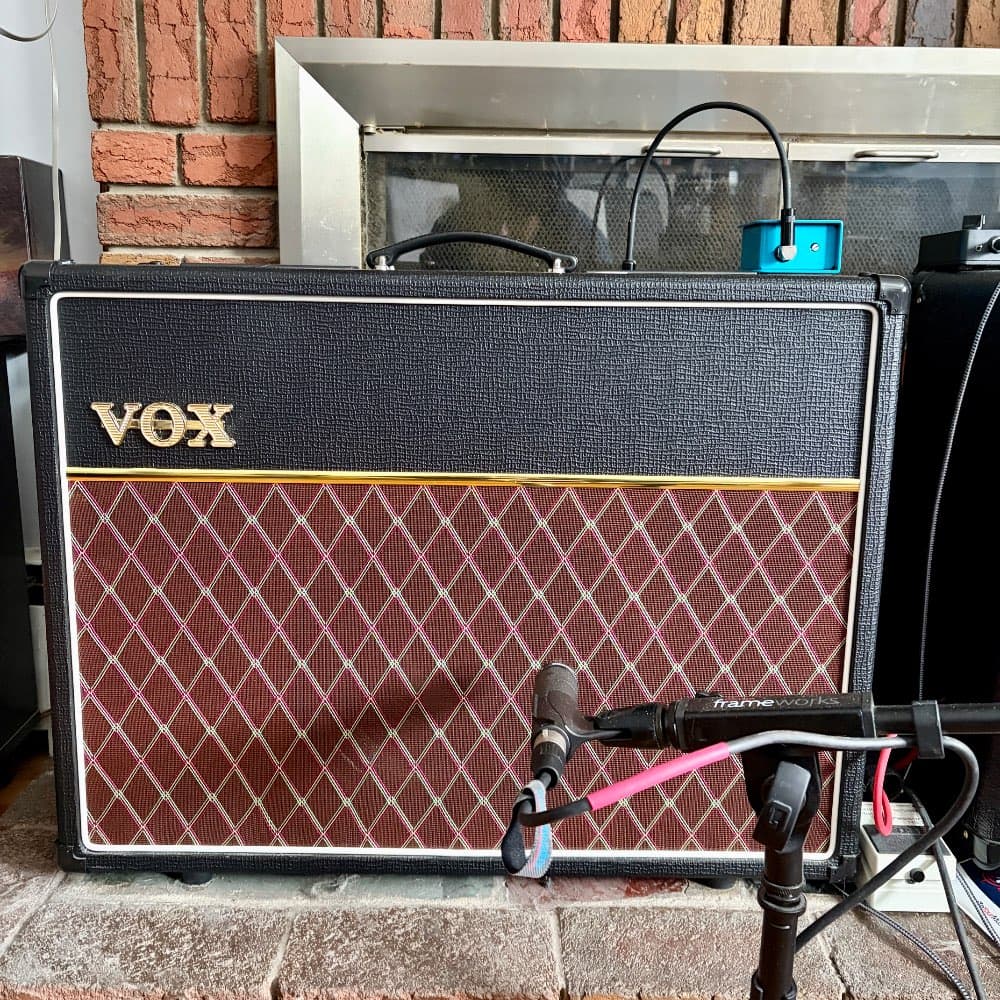

Description
Preview
Powered by
Models
Each model captures the gear at specific knob settings.
A2-FullESR: 0.0007
A2-LiteESR: 0.0044
500 Epochs
Convert
cal.
Captured on
A2-FullESR: 0.0008
A2-LiteESR: 0.0035
500 Epochs
Convert
Captured on
A2-FullESR: 0.001
A2-LiteESR: 0.0048
500 Epochs
Convert
Captured on
A2-FullESR: 0.001
A2-LiteESR: 0.0042
500 Epochs
Convert
Captured on
A2-FullESR: 0.001
A2-LiteESR: 0.0044
500 Epochs
Convert
Captured on
A2-FullESR: 0.0013
A2-LiteESR: 0.0049
500 Epochs
Convert
Captured on
A2-FullESR: 0.0015
A2-LiteESR: 0.0059
500 Epochs
Convert
Captured on
A2-FullESR: 0.0014
A2-LiteESR: 0.0055
500 Epochs
Convert
Captured on
A2-FullESR: 0.0019
A2-LiteESR: 0.0063
500 Epochs
Convert
Captured on
A2-FullESR: 0.0011
A2-LiteESR: 0.0054
500 Epochs
Convert
Captured on
Comments
License: T3K
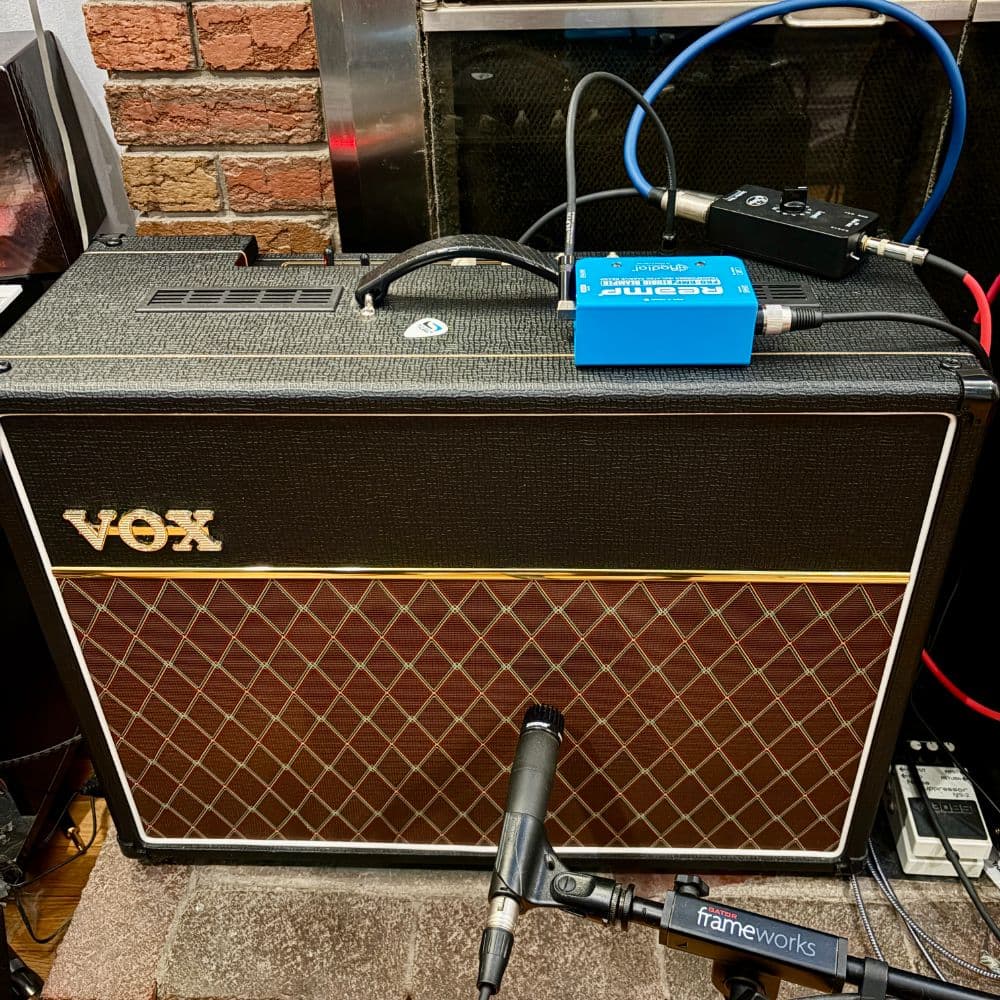
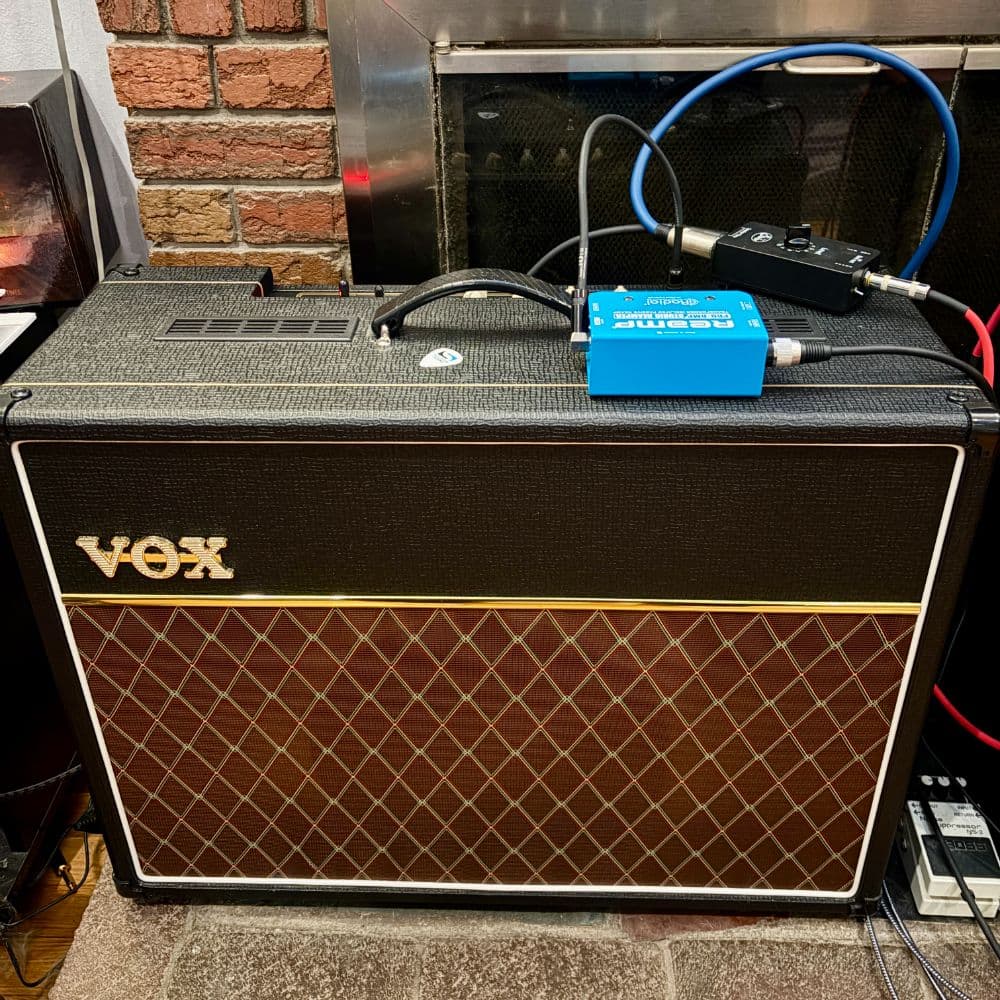
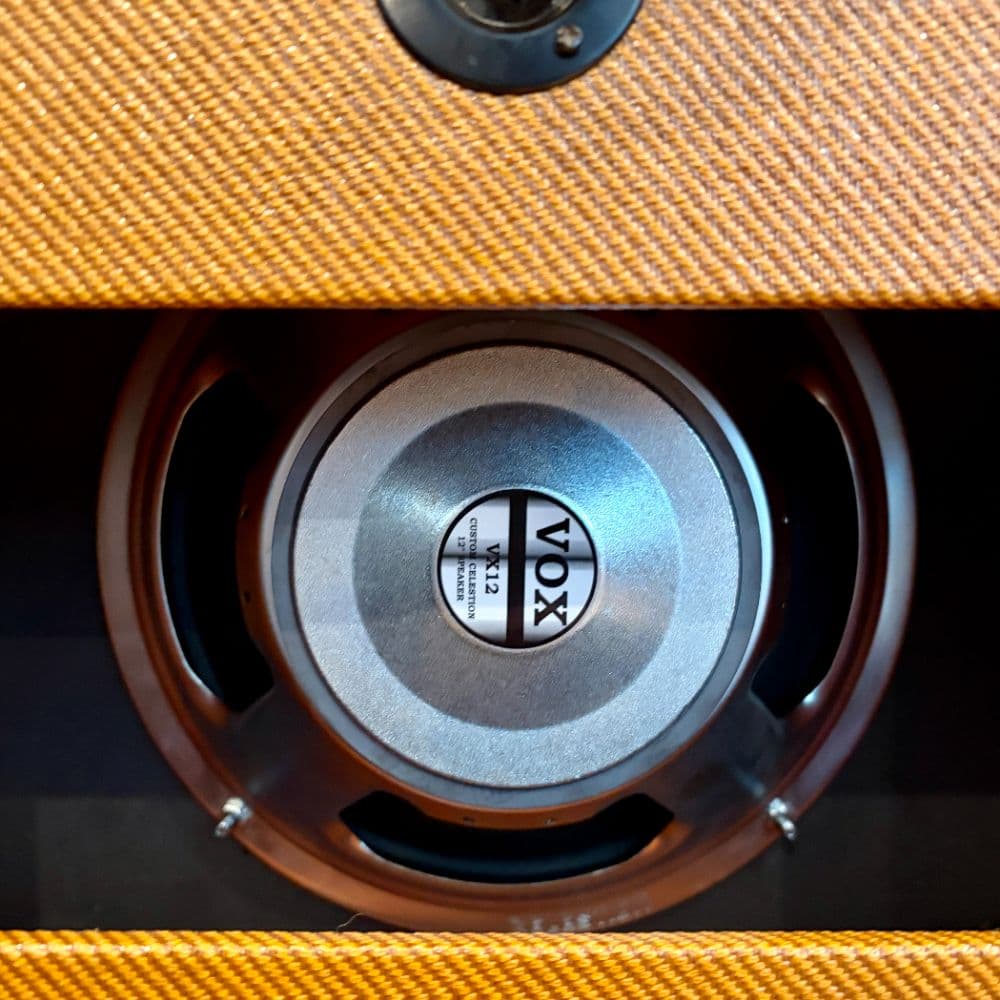
Users may download and use the data file in software and publish the resulting outputs without royalties or restrictions. However, they may not upload, republish, or distribute the data file without the author's permission.More Tones From @jtmulcahey
Works with TONE3000
Browse and play TONE3000 tones directly in these plugins, pedals and amps.Plugins


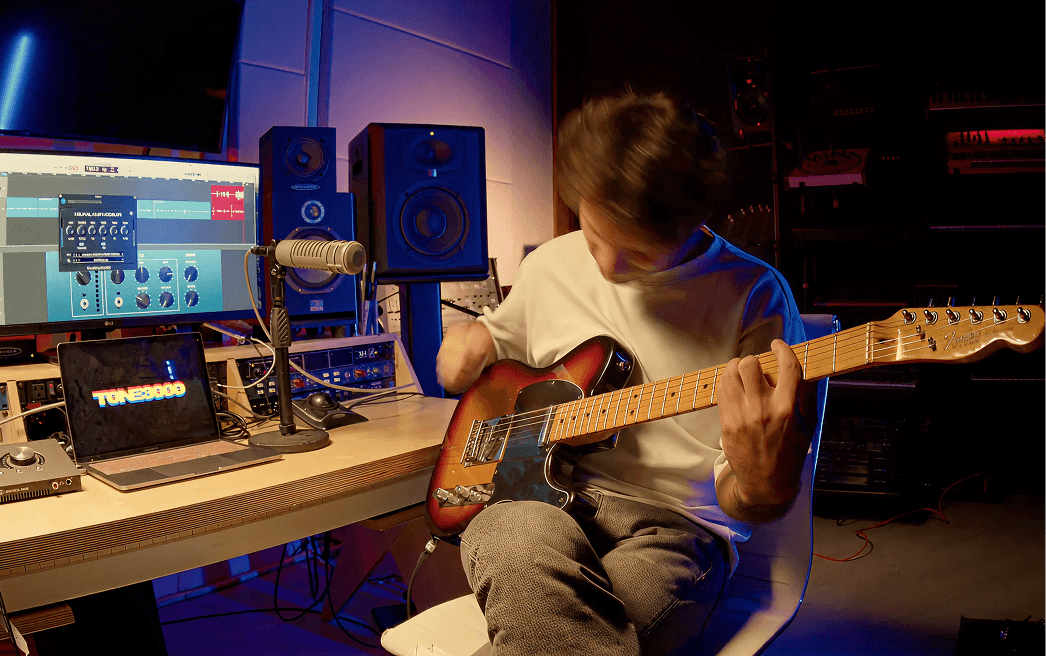
NEW TO TONE3000?
Discover hyper-realistic digital models of iconic gear, including the Fender Twin Reverb, Vox AC30, Marshall JCM 800, and thousands more. Getting started is easy—and free!