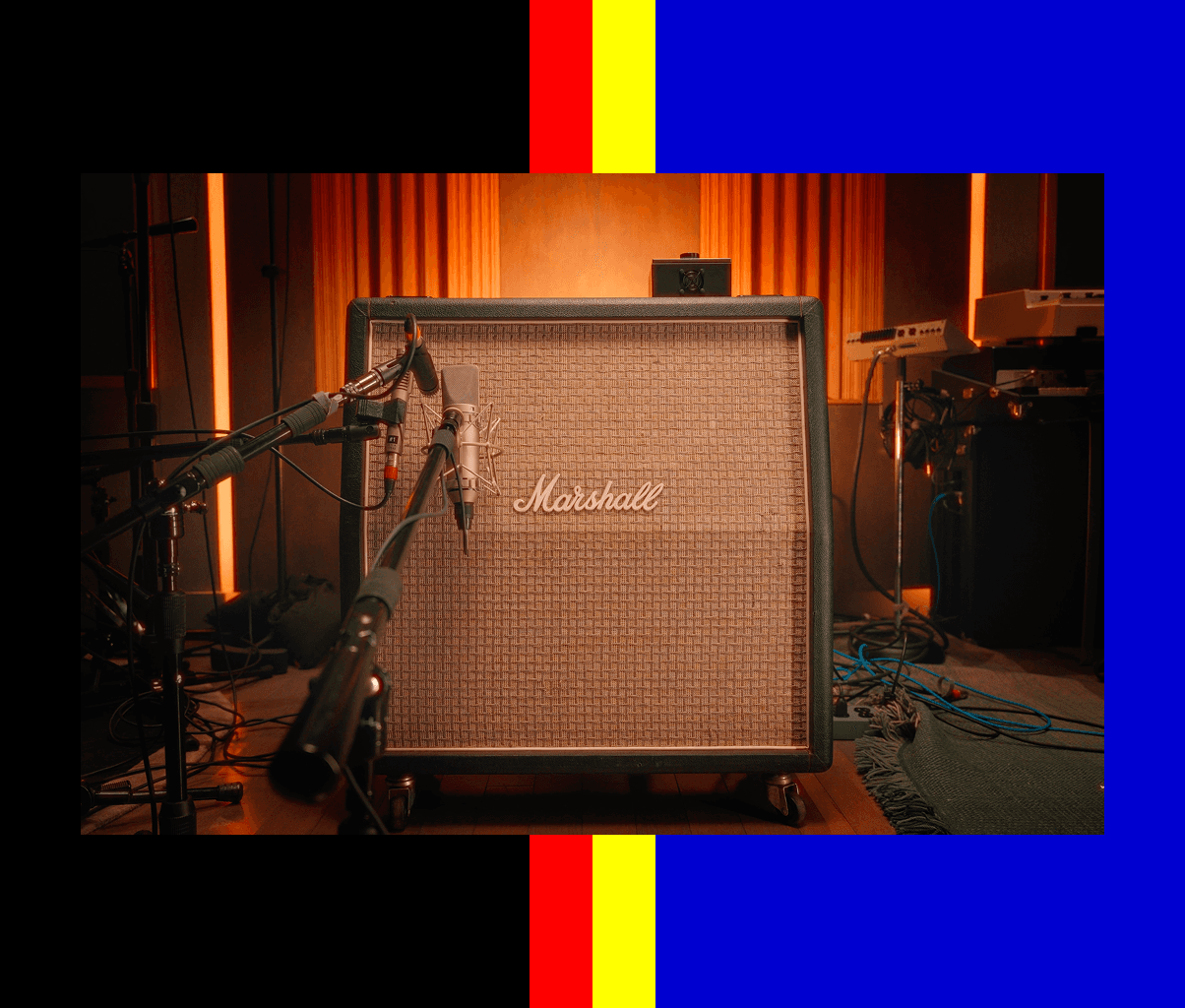
What Is an Impulse Response (IR)? A Beginner's Guide for Guitarists
Everything you need to know about impulse responses, cabinet IRs, and pairing them with Neural Amp Modeler (NAM) captures.
In this guide
If you've spent any time on TONE3000, watched our IR video series, or browsed forums about guitar tone, you've seen the term "impulse response" come up everywhere. This beginner-friendly guide breaks down exactly what an impulse response (IR) is, why every modern guitarist should care, and how to start using IRs alongside Neural Amp Modeler (NAM) captures to get pro-level guitar tone from your laptop, audio interface, or modeler.
This is the long-form companion to our What Is an IR? video. The video gives you the visual walkthrough. This guide goes deeper into the theory, the math, the gear, and the workflow.
Quick definition: An impulse response (IR) is a digital file that captures how a speaker cabinet, room, or audio system shapes sound. Load an IR into a plugin or modeler and your guitar instantly sounds like it's running through that captured speaker, space, or effect.
TONE3000 is the world's largest community for tones. We host hundreds of thousands of free Neural Amp Modeler (NAM) captures and impulse responses (IRs), all created and shared by musicians around the world. Everything is free to download.
Download free impulse responses (IR's) on TONE3000

What Is an Impulse Response?
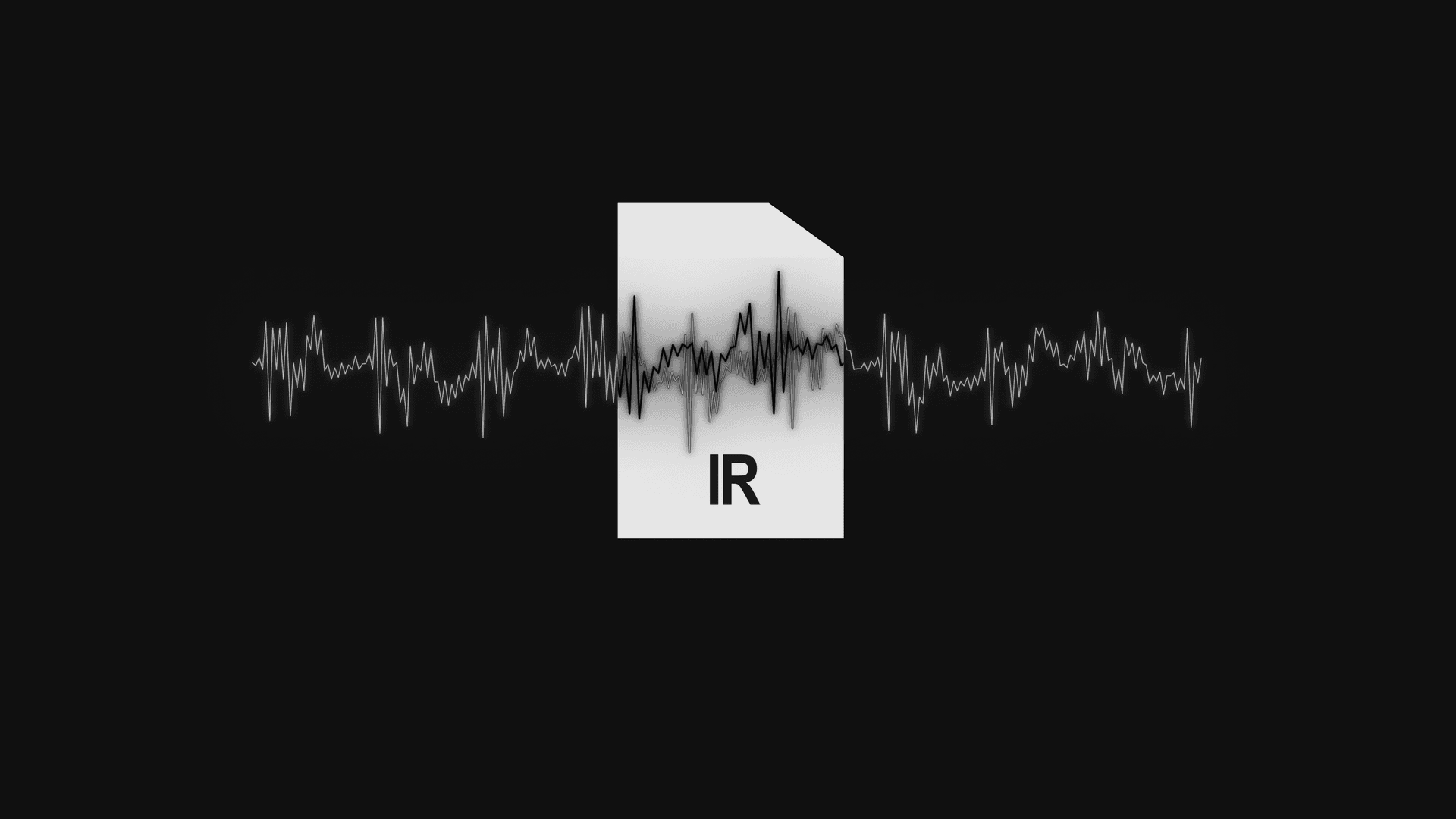
An impulse response (IR) is a digital snapshot of how a physical system reacts to sound. In guitar and bass terms, an IR is most often a short audio file (usually a .wav) that captures the exact tonal fingerprint of a speaker cabinet, a room/acoustic space, or a time-based effect like a reverb or delay unit.
When you load that IR file into an IR loader, plugin, or hardware modeler, your guitar signal gets processed through that captured fingerprint. The result: your dry guitar tone now sounds like it's coming out of that specific speaker cabinet, in that specific room, recorded with that specific microphone.
In more technical terms, an impulse response is the recorded output of a linear system after it's been hit with a known test signal. Engineers and acoustic designers have used IRs for decades to model concert halls, churches, and studios. Guitarists adopted the technology to capture speaker cabinets without having to mic up a real cab every time they wanted to record or play live.
A typical guitar cabinet IR is only a few milliseconds long, but it carries an enormous amount of tonal information: the wood resonance of the cab, the speaker cone behavior, the microphone frequency response, the mic placement, and even a tiny bit of the room it was captured in.
What Are IRs Used For?
Impulse responses are used anywhere a real acoustic environment or piece of audio gear needs to be replicated digitally. The three biggest use cases for guitar and bass players are:
- Speaker cabinet emulation — replacing a real mic'd 4x12, 2x12, 1x12, or bass cab with a digital cab IR.
- Room and space simulation — placing your tone inside a captured studio, hall, or unusual acoustic environment.
- Effect emulation — capturing the sound of a hardware reverb, delay, plate, or spring tank as a single IR file.
The three IR types compared at a glance:
Cabinet IR
- What it captures: Speaker, cabinet wood, mic, and mic placement
- Typical length: 20-200 ms
- Common use: Pairing with a NAM amp head capture for full guitar or bass tone
Room / Space IR
- What it captures: Acoustic reflections and reverb tail of a physical space
- Typical length: 1-10+ seconds
- Common use: Convolution reverb, placing a dry signal in a hall, studio, or unusual space
Effect IR
- What it captures: Linear behavior of a hardware reverb, delay, or outboard unit
- Typical length: 100 ms - 5 seconds
- Common use: Preserving vintage spring tanks, plate reverbs, and outboard gear without owning the hardware
Beyond guitar, IRs are also used in film post-production for matching dialogue to on-screen rooms, in game audio for procedurally placing sounds in virtual spaces, and in mastering for emulating analog gear and studio acoustics. But for the TONE3000 community, the dominant use is pairing a Neural Amp Modeler (NAM) amp head capture with a cabinet IR to build a complete digital amp rig.
Speaker Cabinet IR's Explained
Speaker cabinet IRs are the most common type of IR in the guitar world, and they're the backbone of modern digital guitar tone. A guitar cabinet is two physical components working together: the wooden enclosure and the speaker (or speakers) inside it. Both have a massive impact on your sound.
The wooden cabinet shapes the low-end resonance, the way sound is dispersed into the room, and the natural cab "thump" you feel as much as hear. The speaker itself, whether it's a Celestion Greenback, a Vintage 30, a Jensen, an Eminence, or a Weber, has its own voicing and frequency curve. Two cabinets loaded with different speakers will sound radically different even if everything else stays the same.
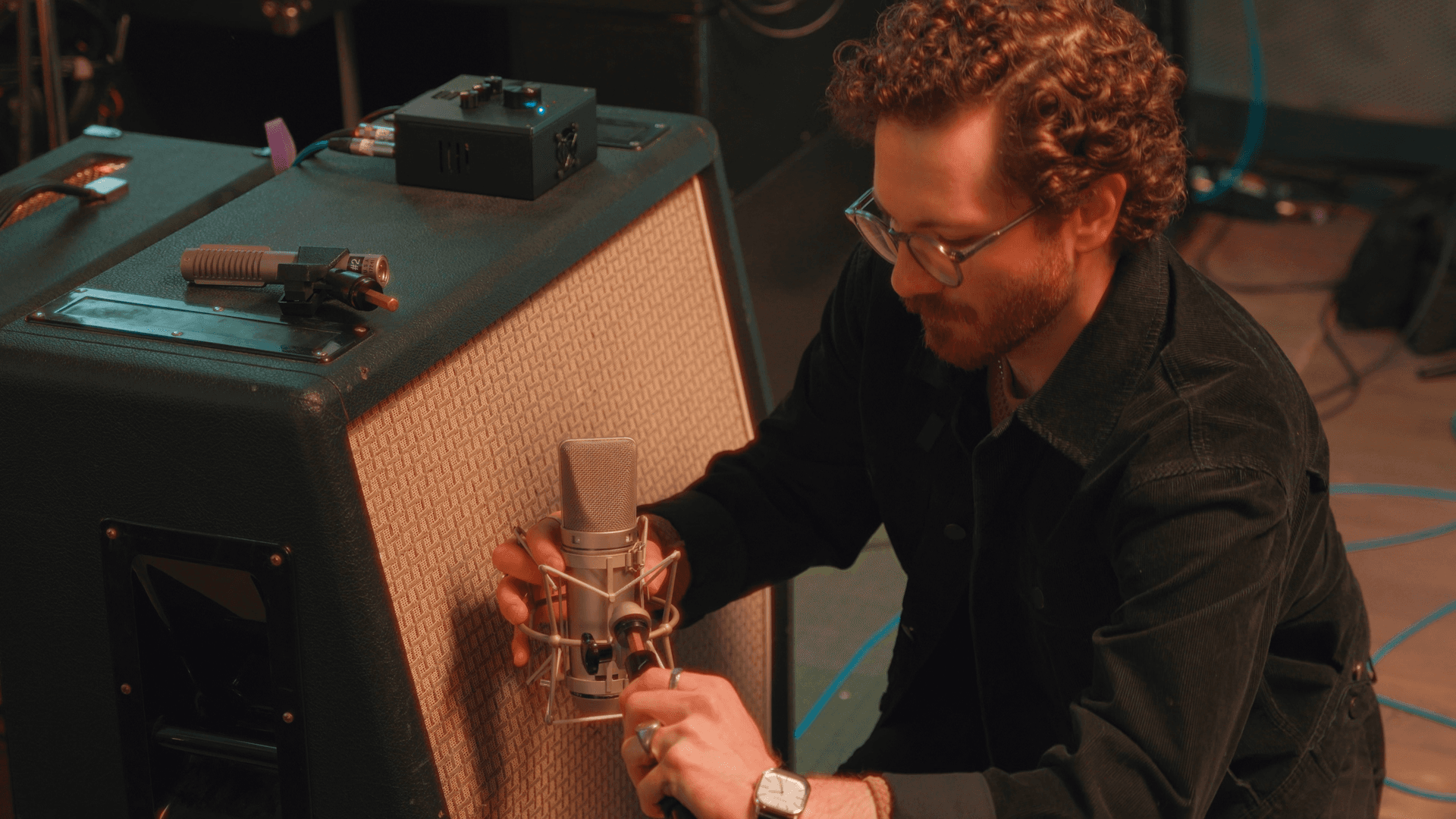
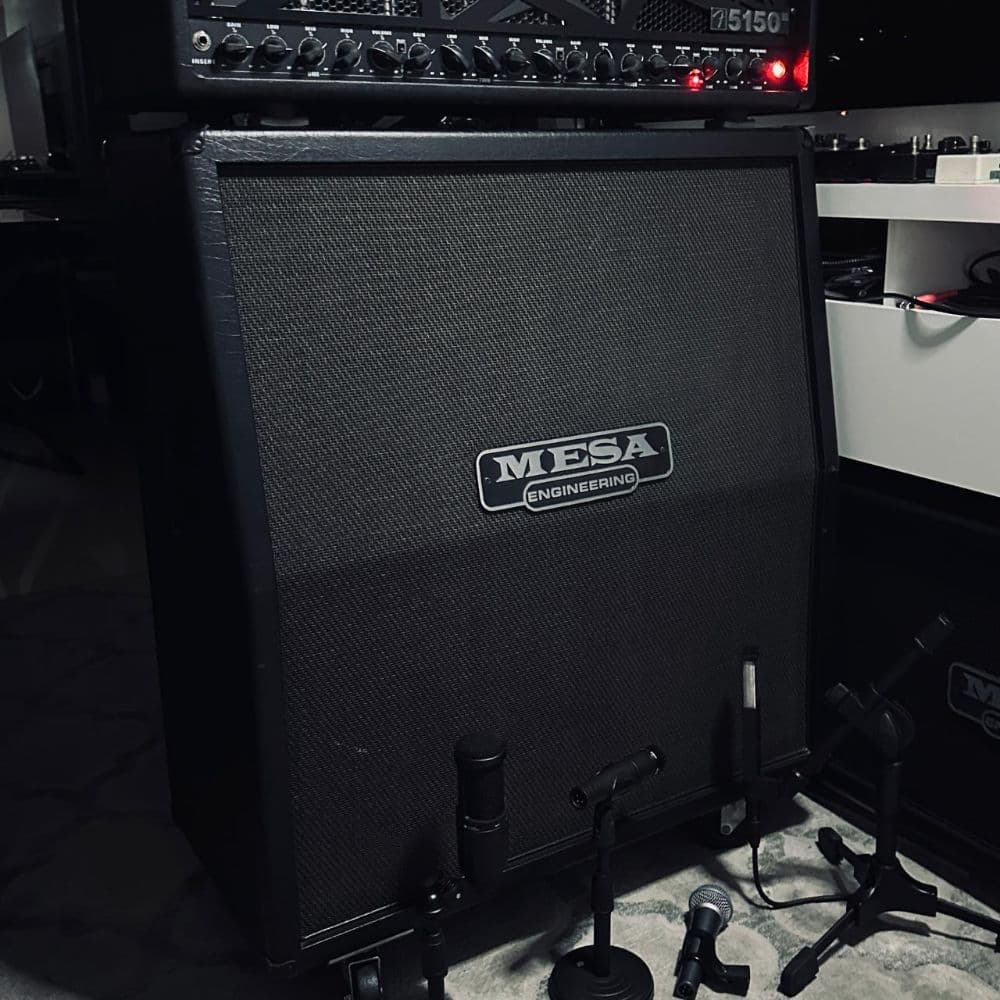
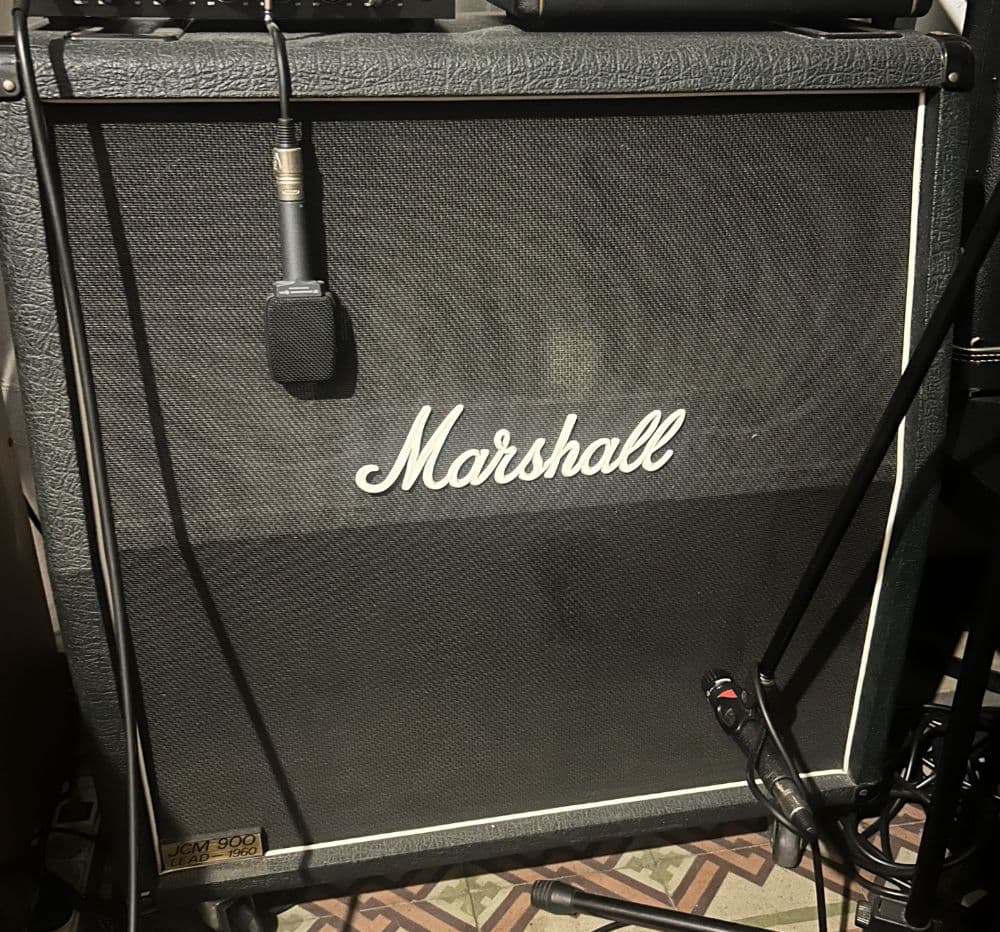
A cabinet IR captures all of that physical behavior in a single file. But there's one more critical piece baked into every cab IR: the microphone. The mic choice (SM57, MD421, R121, U87, etc.), the mic placement (on-axis, off-axis, edge of dust cap, cone center, cap edge), and the distance from the speaker are all permanently embedded in the IR. You can't remove them after the fact. That's why on TONE3000 you'll see IRs labeled with all of those details, like Marshall 1960BV V30 SM57 Cap Edge.
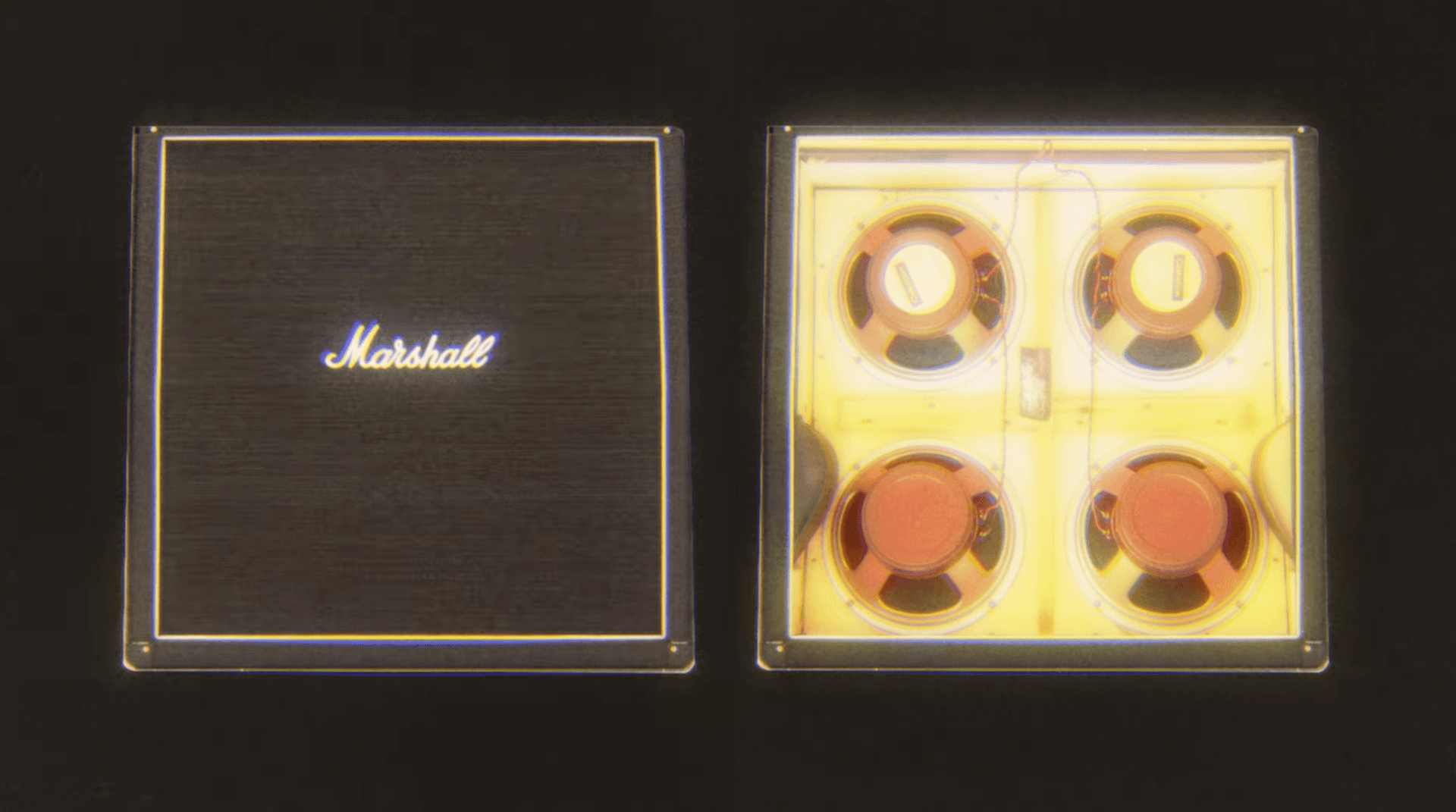
Common cabinet IR types on TONE3000
- 4x12 cabinet IRs — the classic high-gain rock and metal cab. Marshall 1960, Mesa Rectifier, EVH, Orange PPC, Friedman, and others.
- 2x12 cabinet IRs — versatile mid-sized cabs used for clean and crunch. Vox AC30, Fender Twin, Matchless, Bogner.
- 1x12 cabinet IRs — combo and small open-back cabs. Fender Deluxe Reverb, Princeton, Tweed combos.
- Bass cabinet IRs — 8x10, 4x10, 1x15, and 2x15 bass cabs. Ampeg SVT, Mesa, Aguilar, Bergantino.
- Acoustic guitar IRs — body resonance captures used to make piezo-equipped acoustics sound like a properly mic'd dreadnought or parlor.
Cabinet IRs are essential because most NAM captures on TONE3000 are amp head only. A NAM amp head capture models the preamp and power amp behavior of a real amp, but it does not include any speaker cabinet information. Without an IR loaded after the NAM file, your tone will sound thin, harsh, fizzy, and unnatural. Always pair an amp head NAM with a cab IR.
Download cabinet IRs on TONE3000
Room and Space IRs
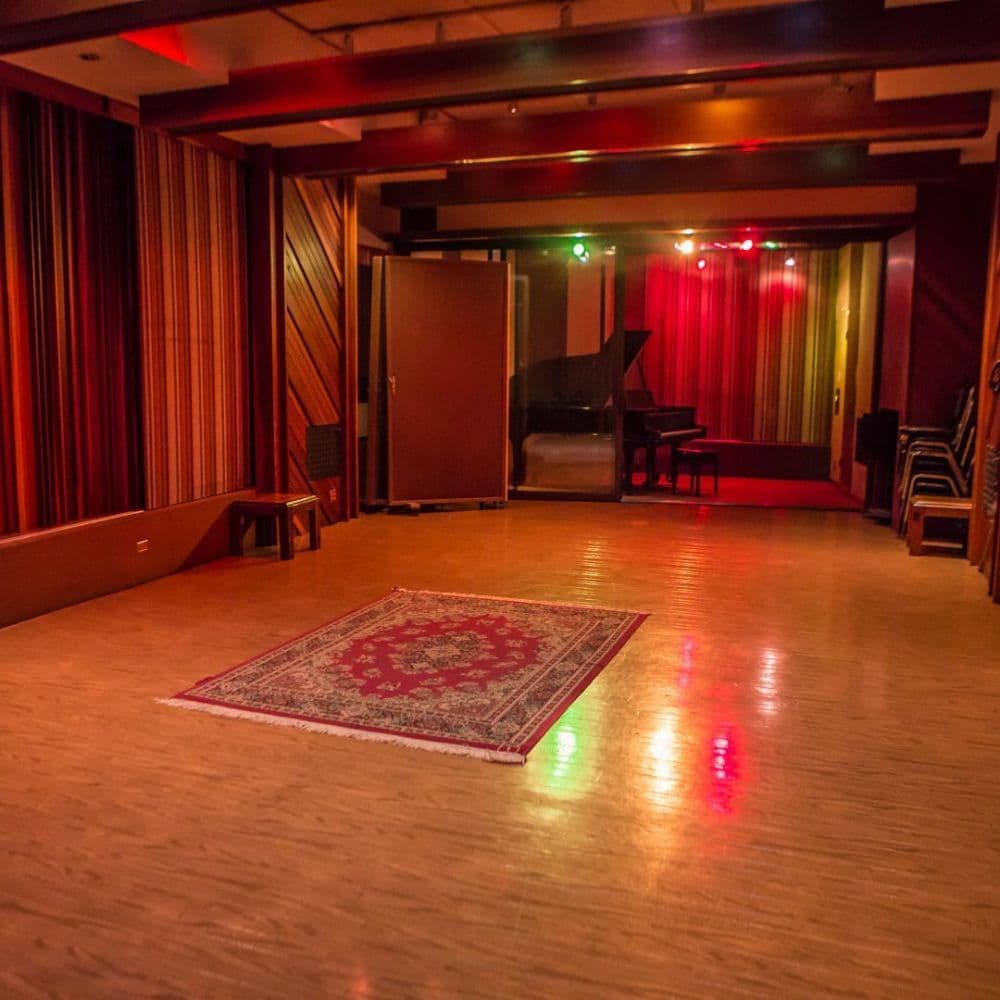
Room IRs (sometimes called space IRs or convolution reverb IRs) capture the acoustic character of a physical environment. Want your guitar to sound like it was recorded in a giant cathedral, a tight vocal booth, a warehouse, or Abbey Road's Studio Two? A room IR can place you there.
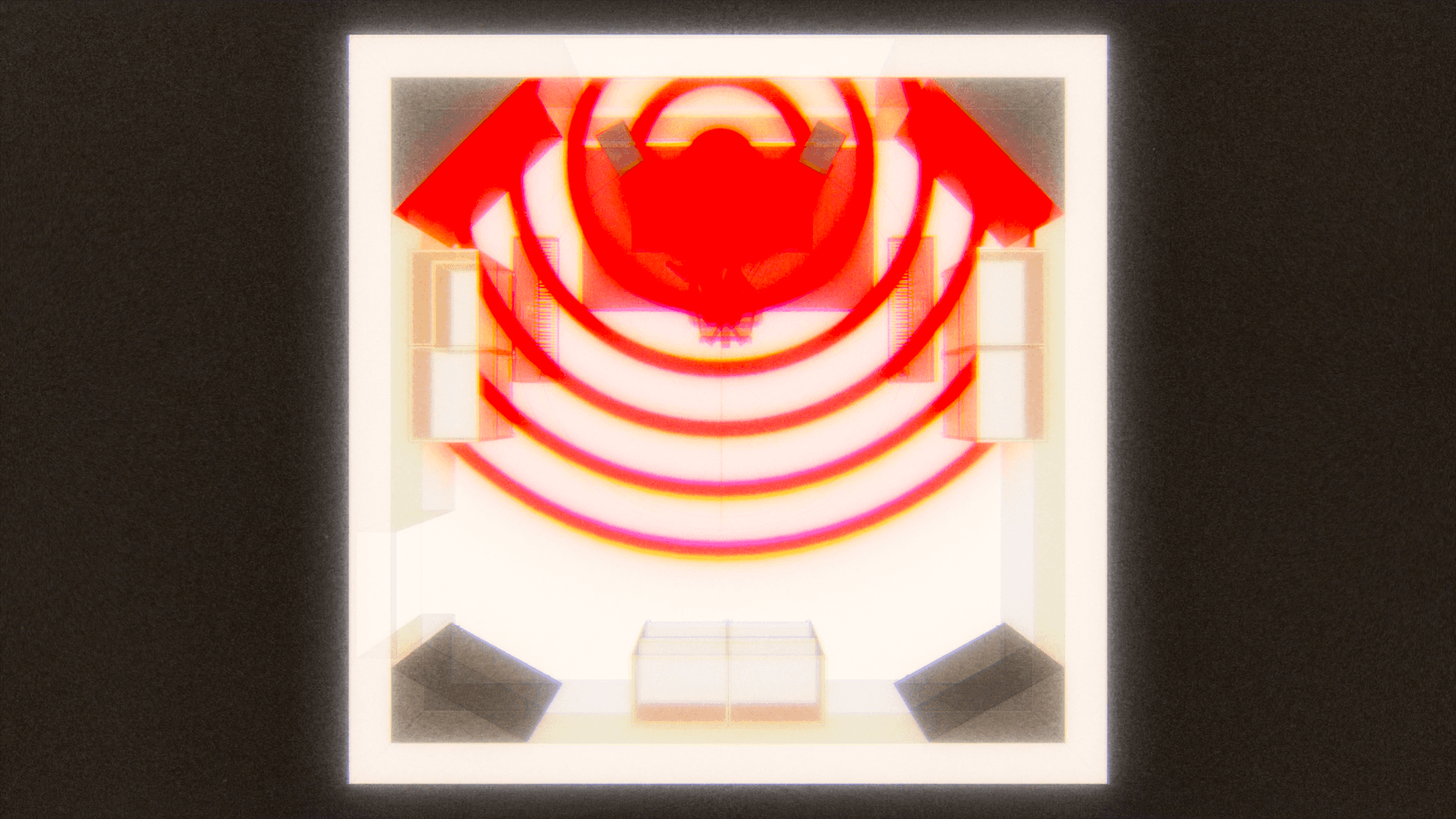
Engineers capture room IRs by placing a speaker and a microphone in a real space, playing a test signal through the speaker, and recording how the room reacts. The resulting IR contains all the early reflections, late reverb tail, and frequency coloration of that space. Drop that IR into a convolution reverb plugin and you've effectively teleported your dry signal into that room.
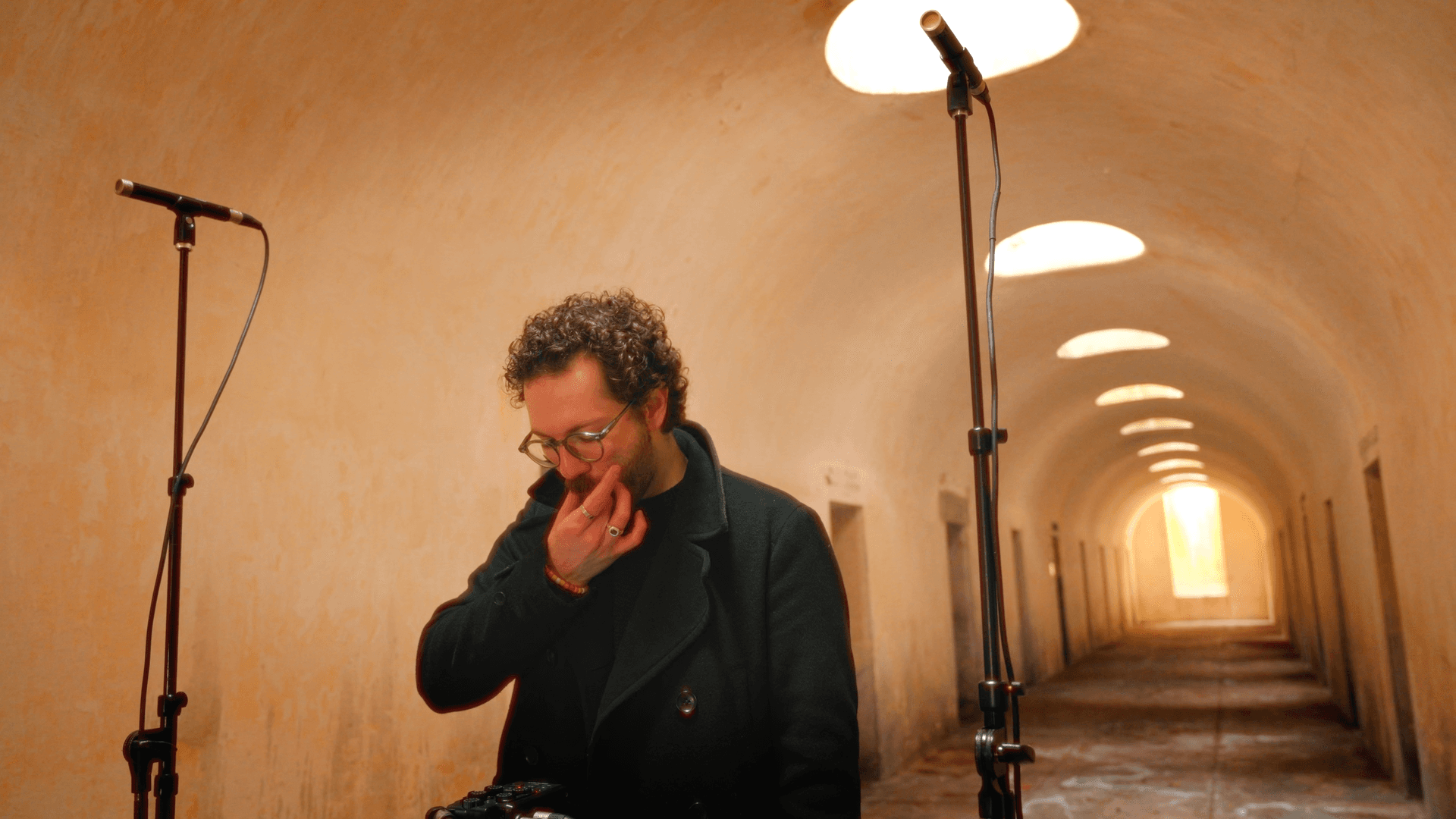
Common room IR categories:
- Studio rooms — controlled, musical spaces with short to medium decay.
- Concert halls and cathedrals — long, lush reverbs with rich harmonic content.
- Live venues — clubs, theaters, amphitheaters with characteristic stage and audience reflections.
- Unusual spaces — stairwells, parking garages, tunnels, bathrooms, anywhere with a distinct acoustic signature.
- Plate and spring "rooms" — technically not rooms, but captured the same way for use as ambient reverbs.
Effect IRs (reverb, delay, and outboard gear)
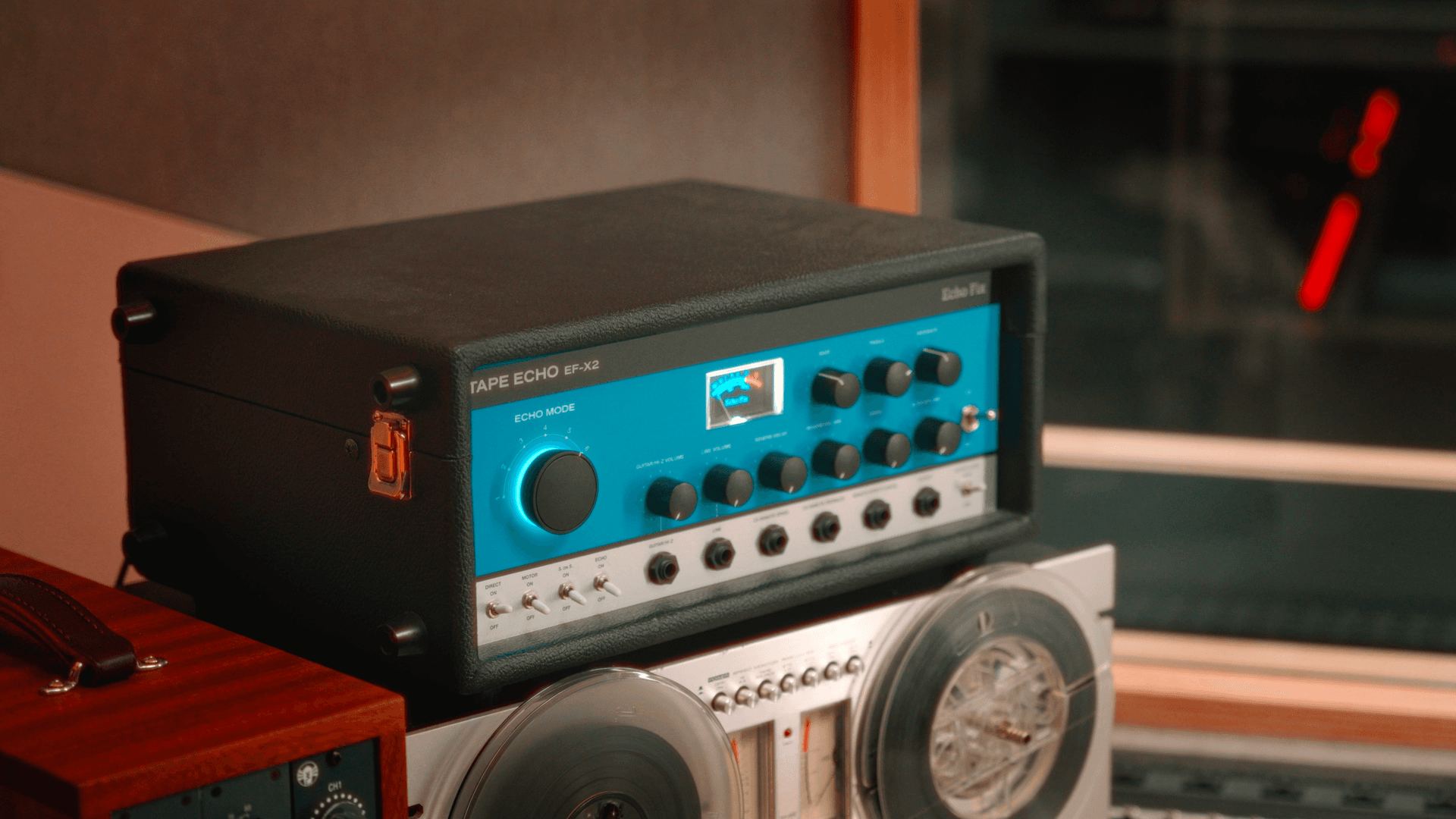
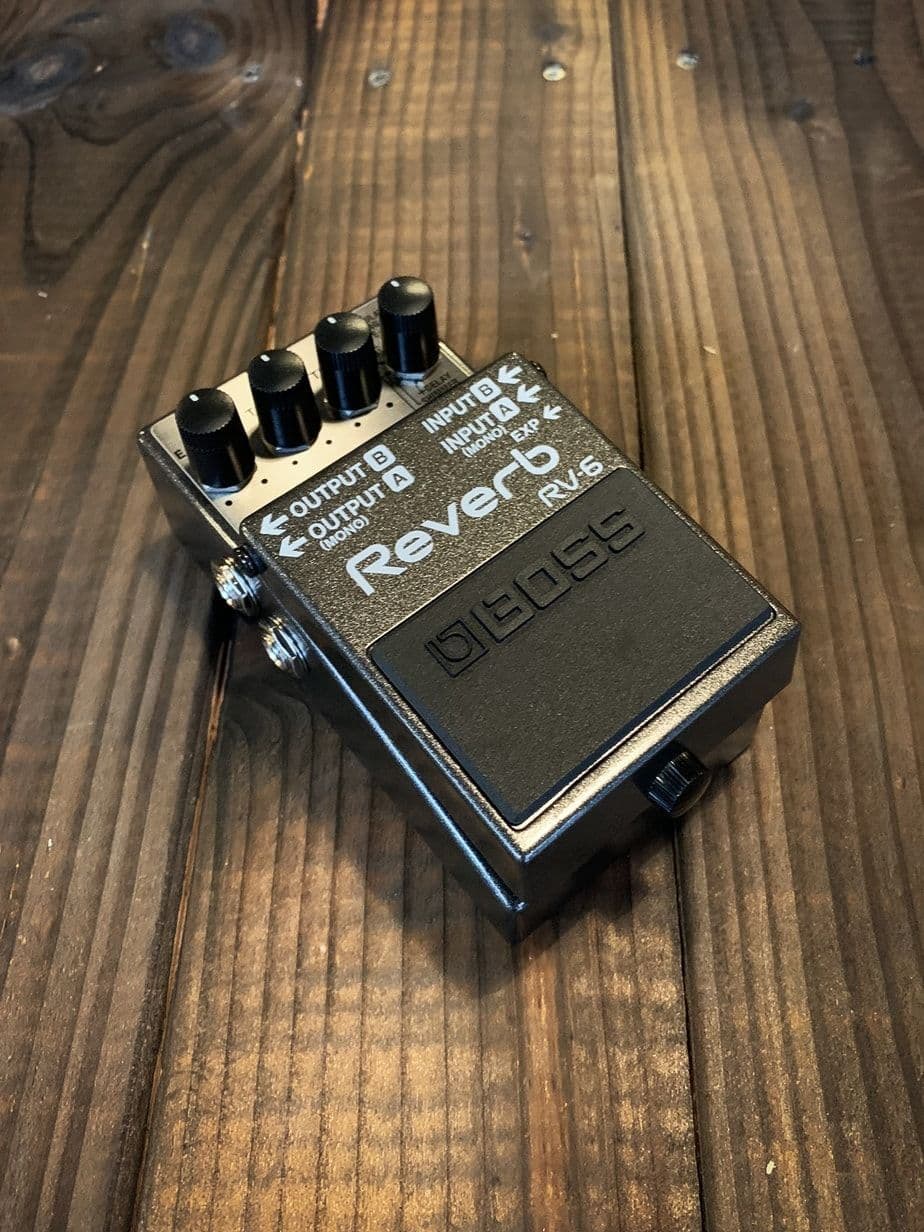
Many time-based hardware effects can be captured as IRs because they behave as linear systems. That means you can preserve the sound of a vintage spring reverb tank, a plate reverb unit, an analog delay, or even certain modulation effects as a single IR file and use them anywhere, without owning the original hardware.
Effect IR examples include vintage Fender outboard tanks, Accutronics springs, EMT 140 plate captures, Lexicon 480L and Bricasti M7 hall units, AMS RMX16 reverbs, and Echoplex or Roland Space Echo tape delays.
One important caveat: anything in an effects unit that is genuinely nonlinear (tape compression, tube distortion, modulation that depends on input level) won't be perfectly captured by an IR. IRs only capture linear behavior. For nonlinear modeling, that's where Neural Amp Modeler (NAM) comes in.
How Impulse Responses Work
The reason impulse responses work so well comes down to a single principle: linearity. Speaker cabinets, rooms, and many time-based effects are primarily linear systems. A linear system has two important properties:
- If you double the input, you double the output. (Scaling)
- If you play two signals at once, the output equals the sum of each played individually. (Superposition)
Because linear systems are predictable, you can fully describe their behavior by measuring how they respond to a single, known test signal. That measured response, the "impulse response," is enough to recreate the system's effect on any input you throw at it later.
The mathematical operation that applies an IR to your guitar signal in real time is called convolution. Convolution multiplies and adds your incoming signal against the IR sample-by-sample, producing an output that sounds exactly like your signal had passed through the original physical system. Modern IR loaders do this efficiently using FFT-based convolution, which is why an IR loader uses very little CPU even though it's doing thousands of calculations per audio sample.
This is also why IRs differ fundamentally from amp modeling. Amplifiers are nonlinear systems. A tube amp at low volume sounds totally different from the same amp pushed into clipping. You can't capture that nonlinear behavior with a single IR, which is why amp captures use neural networks (Neural Amp Modeler) instead of impulse responses. The two technologies are complementary, not interchangeable. Learn more in our Neural Amp Modeler (NAM) guide.
IR file formats and specs
Most guitar and audio IRs are distributed as .wav files, though you may occasionally see .aiff, .flac, or hardware-specific proprietary formats. A few quick specs to know:
- Sample rate — Most IR loaders support 44.1, 48, 88.2, and 96 kHz. Match the IR's sample rate to your session's sample rate when possible.
- Bit depth — 24-bit is standard. 16-bit IRs work fine but offer less dynamic range.
- Length — Cabinet IRs are typically 200 ms or shorter. Room and reverb IRs can be several seconds long.
- Mono vs. stereo — Most cabinet IRs are mono. Room and reverb IRs are often stereo. Some "dual mic" cabinet IRs are stereo, with a different mic on the left and right channels.
- File size — Cabinet IRs are tiny (10–500 KB). Long reverb IRs can be several megabytes.
If you're brand new, just trust the defaults: download a .wav cabinet IR from TONE3000, load it in any IR loader, and you're set.
How to Use IRs with NAM
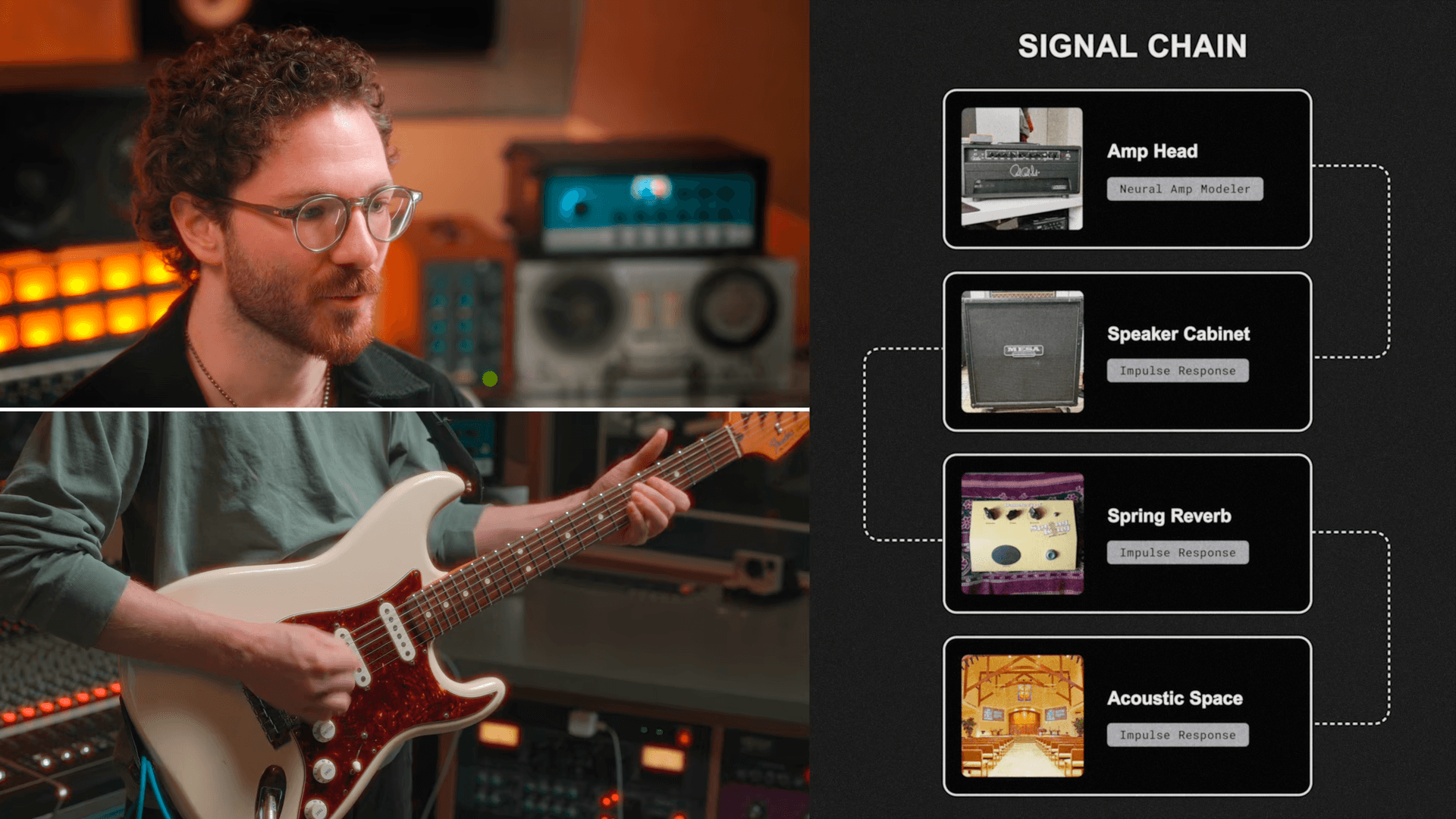
If you're new to TONE3000, the most common workflow is pairing a NAM capture of an amp head with a cabinet IR to build a complete digital amp rig. Here's how to do it from scratch.
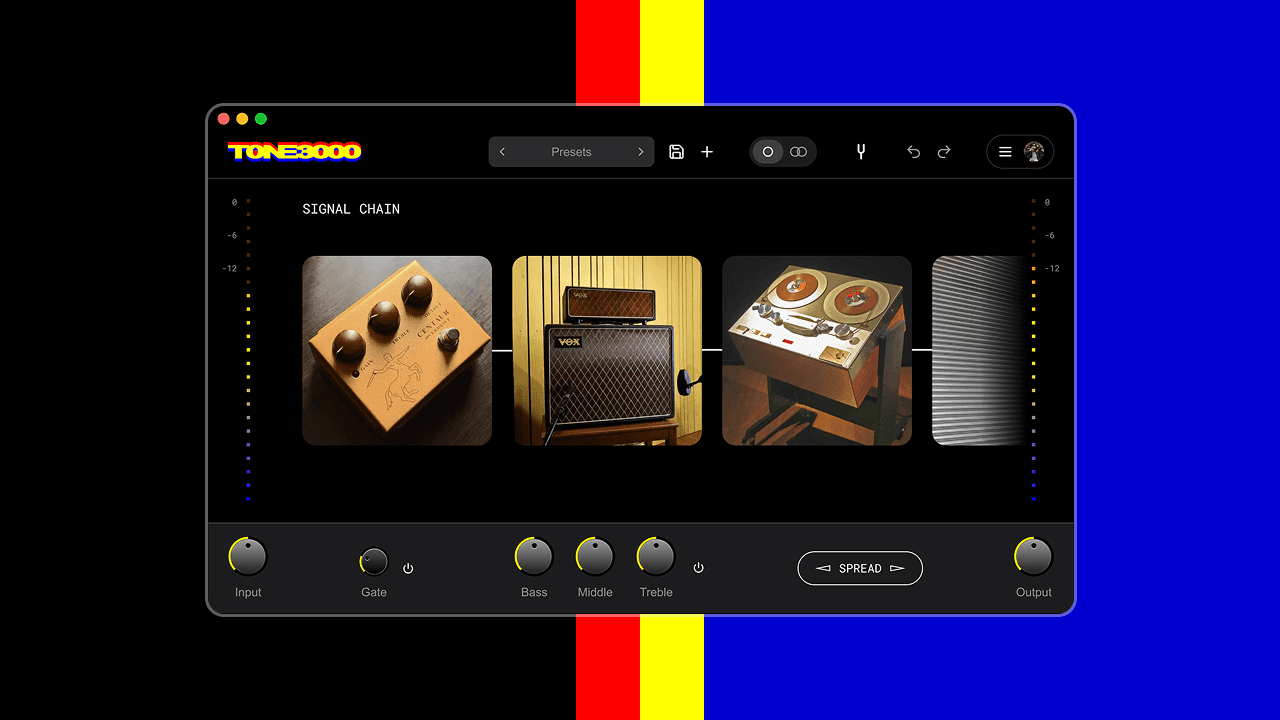
Step 1: Get the free TONE3000 Plugin. Download the official TONE3000 Plugin. It's free, open source, and works in any modern DAW (Reaper, Logic, Pro Tools, Ableton Live, Cubase, FL Studio, GarageBand, and more), or as a standalone app with no DAW required.
Step 2: Load a NAM amp head capture. Click a + (Add Tone) slot in the plugin and browse the TONE3000 library. Make sure you're picking an "Amp Head" capture, not an "Amp + Cab" capture. Amp + Cab captures already include a speaker cabinet, so you don't need a separate IR.
Step 3: Add a cabinet IR. Click the + slot after your amp block and load a cab IR that suits the amp you chose. A Marshall amp head pairs naturally with a 4x12 IR loaded with Greenbacks or Vintage 30s. A Fender amp head pairs well with a 1x12 or 2x12 IR loaded with Jensens. Experiment.
Step 4: Sign in to load tones. Log into your TONE3000 account in the plugin to browse the full library, including any tones you've created or favorited.
Step 5: Play. Plug your guitar into your audio interface, route it to the TONE3000 track, monitor through headphones or studio monitors, and you'll hear a complete amp-and-cab tone. From there you can stack pedals, EQ, compression, and reverb just like you would with a real rig.
If you want to use IRs on hardware, most modern modelers and stomp-style units support .wav IR loading natively, including the Line 6 Helix, Fractal Audio Axe-FX, Kemper Profiler, Neural DSP Quad Cortex, HX Stomp, Headrush, Boss GT-1000, Hotone Ampero, Mooer GE series, Strymon Iridium, and Two Notes Torpedo.
Common mistakes beginners make with IRs
A few patterns we see over and over from new users in the TONE3000 community:
- Forgetting to load an IR after a NAM amp head capture. The single most common mistake. An amp head NAM with no cab IR sounds awful, all fizz and no body.
- Loading a cab IR after an Amp + Cab NAM. The opposite mistake. If your NAM file already includes the cabinet, adding another IR stacks two cabs and dulls your tone.
- Stacking multiple cab IRs in series by accident. One cab IR per signal chain is the standard. Some IR loaders let you blend two IRs in parallel (a great trick for dual-mic tones), but stacking them in series colors the sound in unintended ways.
- Mismatched sample rates causing weird tonal shifts. If your DAW session is at 96 kHz but your loader isn't resampling correctly, IRs can sound subtly off. Match rates when possible.
- Judging an IR before adjusting the amp's EQ. Different cab IRs have wildly different EQ curves. Always tweak your amp's bass, mid, treble, and presence after swapping cabs.
- Using guitar IRs on bass (or vice versa). Guitar cab IRs roll off the low frequencies that bass needs. Bass cab IRs are voiced for the lower register. Pick the right tool.
How IRs Are Captured (Sine Sweep vs. White Noise)
There are two main methods for capturing an impulse response. Both produce a usable IR, but they differ in accuracy, simplicity, and use case.
Method 1: The Sine Sweep Method
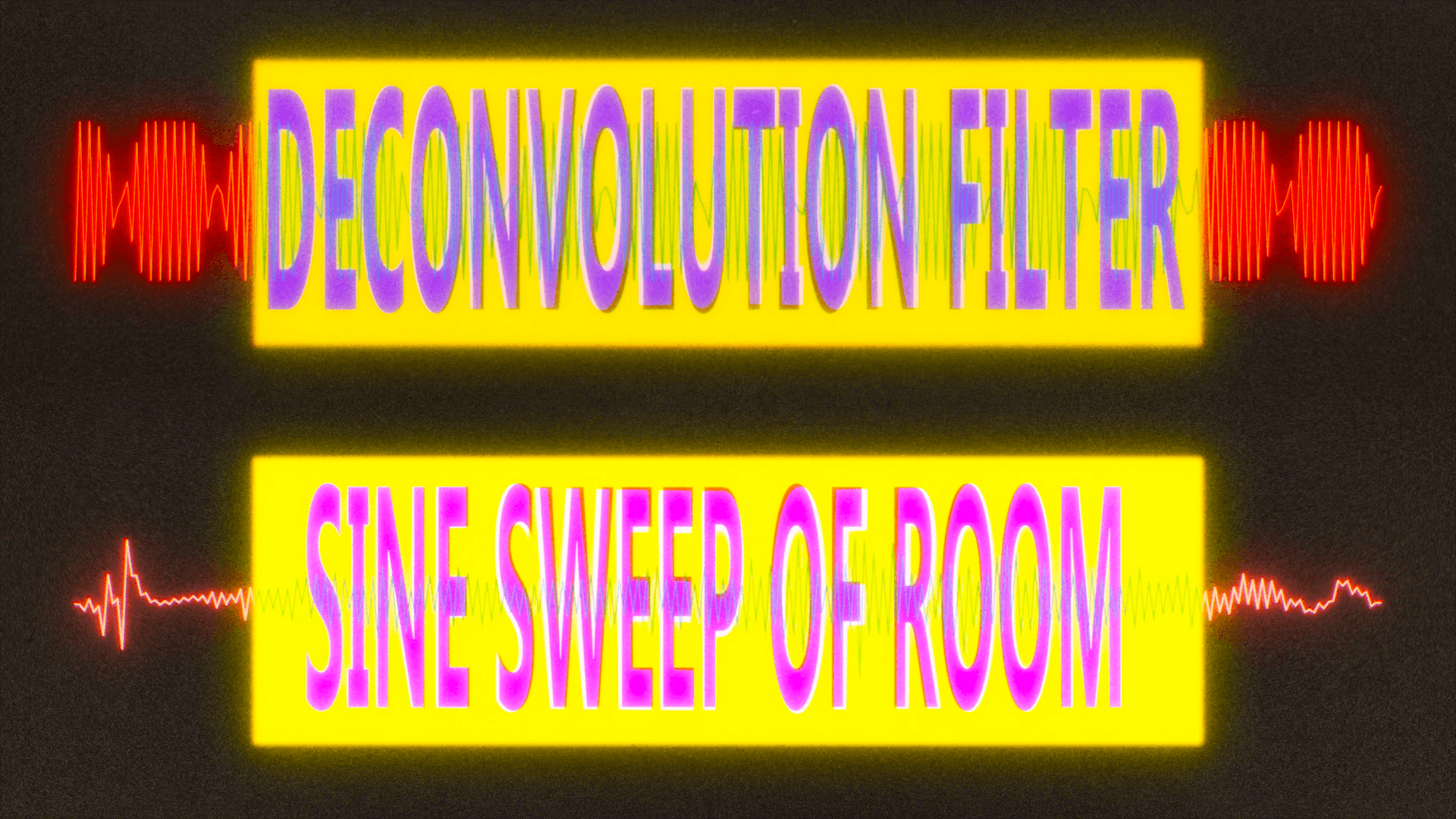
The sine sweep (or "swept sine," "exponential sine sweep," "ESS") method is the gold standard. You play a slowly rising sine wave through the system you want to capture, typically sweeping from 20 Hz up to 20 kHz over a few seconds, and record the output. Then you run the recording through a process called deconvolution, which mathematically separates the original sweep from the captured response. What's left is a clean, accurate impulse response.
Why the sine sweep wins on accuracy:
- High signal-to-noise ratio across all frequencies
- Excellent rejection of background noise
- Cleanly separates linear response from any harmonic distortion
- Produces longer, more detailed IRs (better for room captures)
This is the method TONE3000 uses for all of our IR capture videos because it produces the cleanest, most musically useful IRs.
Method 2: The Transient Response (White Noise) Method
The transient response method, sometimes called the white noise or pop method, is faster and simpler. You play a short burst of white noise (or a starter pistol, balloon pop, or hand clap in room captures) through the system and record the output. The recording itself is the IR, no deconvolution needed.
Pros:
- Very fast, no extra processing step
- Useful for quick, in-the-room captures
- Workable for capturing transient-rich systems
Cons:
- Lower signal-to-noise ratio
- More susceptible to background noise
- Less accurate at the frequency extremes
- Harder to capture clean room tails
For most TONE3000 community captures, especially speaker cabinets, the sine sweep method produces measurably better results.
Key Takeaways
- An impulse response (IR) is a digital snapshot of how a speaker cabinet, room, or linear effect shapes sound.
- IRs are the universal standard for cabinet simulation and are used by guitarists, bassists, producers, engineers, and sound designers.
- The most common workflow on TONE3000 is pairing a Neural Amp Modeler (NAM) amp head capture with a speaker cabinet IR to build a full digital amp rig.
- Cabinet IRs capture the speaker, the cab, the microphone, and the mic placement all in one file.
- Room IRs let you place your tone in any captured acoustic space, from a studio to a cathedral.
- Effect IRs preserve the linear behavior of reverbs, delays, and outboard gear so you can use them without owning the hardware.
- IRs work because the systems they capture are linear, which means a single test signal captures the system's full behavior.
- The sine sweep method produces the most accurate IRs. The white noise method is faster but less precise.
- Most IRs are
.wavfiles and load in nearly every modern plugin and hardware modeler. - Always pair Amp Head NAMs with Speaker Cabinet IRs. Never pair cab IRs with Amp + Cab NAMs.
Ready to start exploring?
New to TONE3000? Check out our Get Started Guide or our Neural Amp Modeler (NAM) guide. Want to upload your IRs and share them with the community? You can upload impulse responses directly on TONE3000.
Get Help with IR's
Need help? Email support@tone3000.com or join our Discord community where thousands of creators share tips and techniques.
Related Guides
What is an impulse response




NEW TO TONE3000?
Discover hyper-realistic digital models of iconic gear, including the Fender Twin Reverb, Vox AC30, Marshall JCM 800, and thousands more. Getting started is easy—and free!