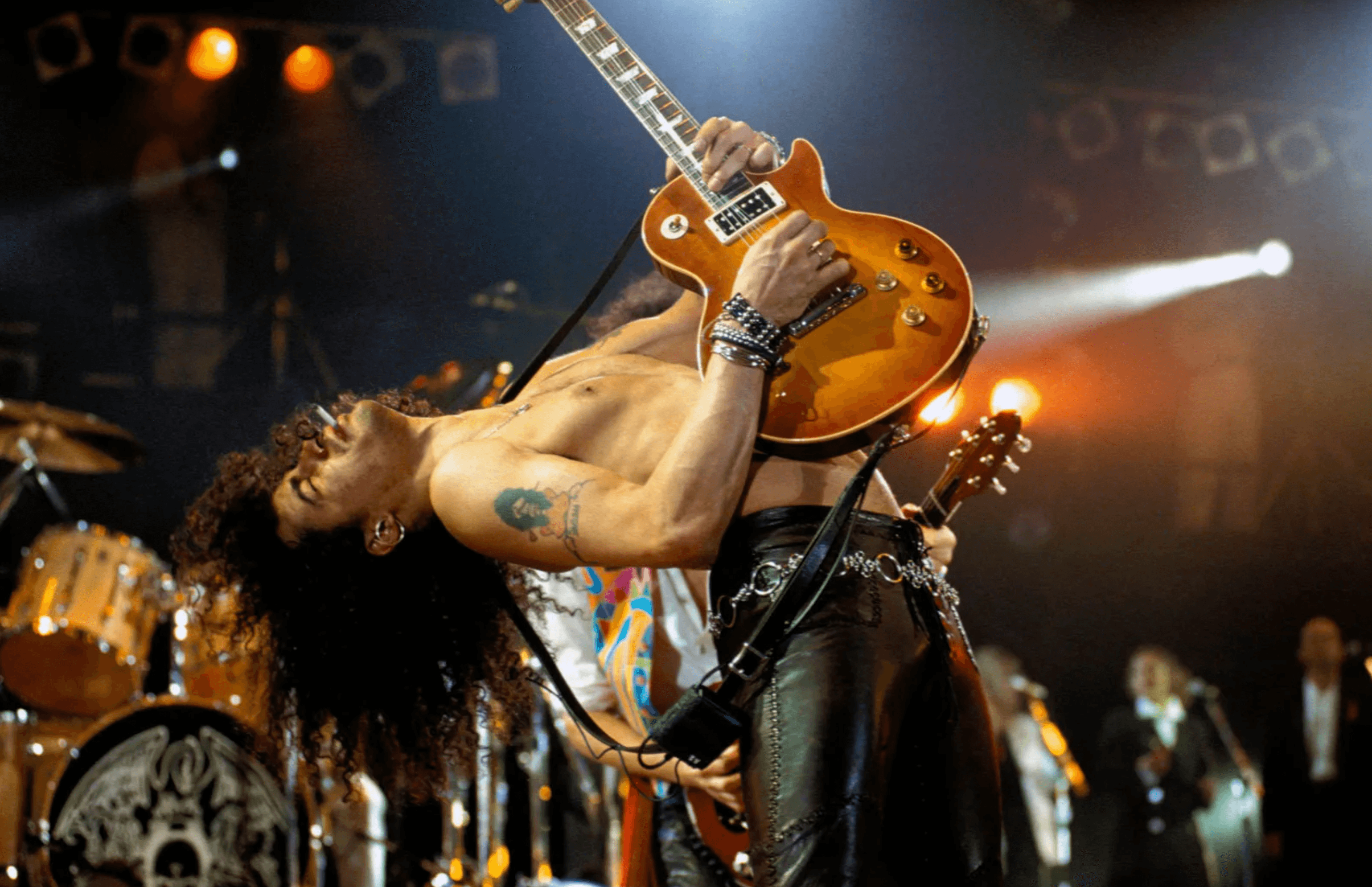
Get Slash's Guitar Tones with Neural Amp Modeler | TONE3000
Recreate Slash’s iconic guitar tone with high-quality Neural Amp Modeler captures. Download free NAM presets on TONE3000 to get that legendary rock sound.
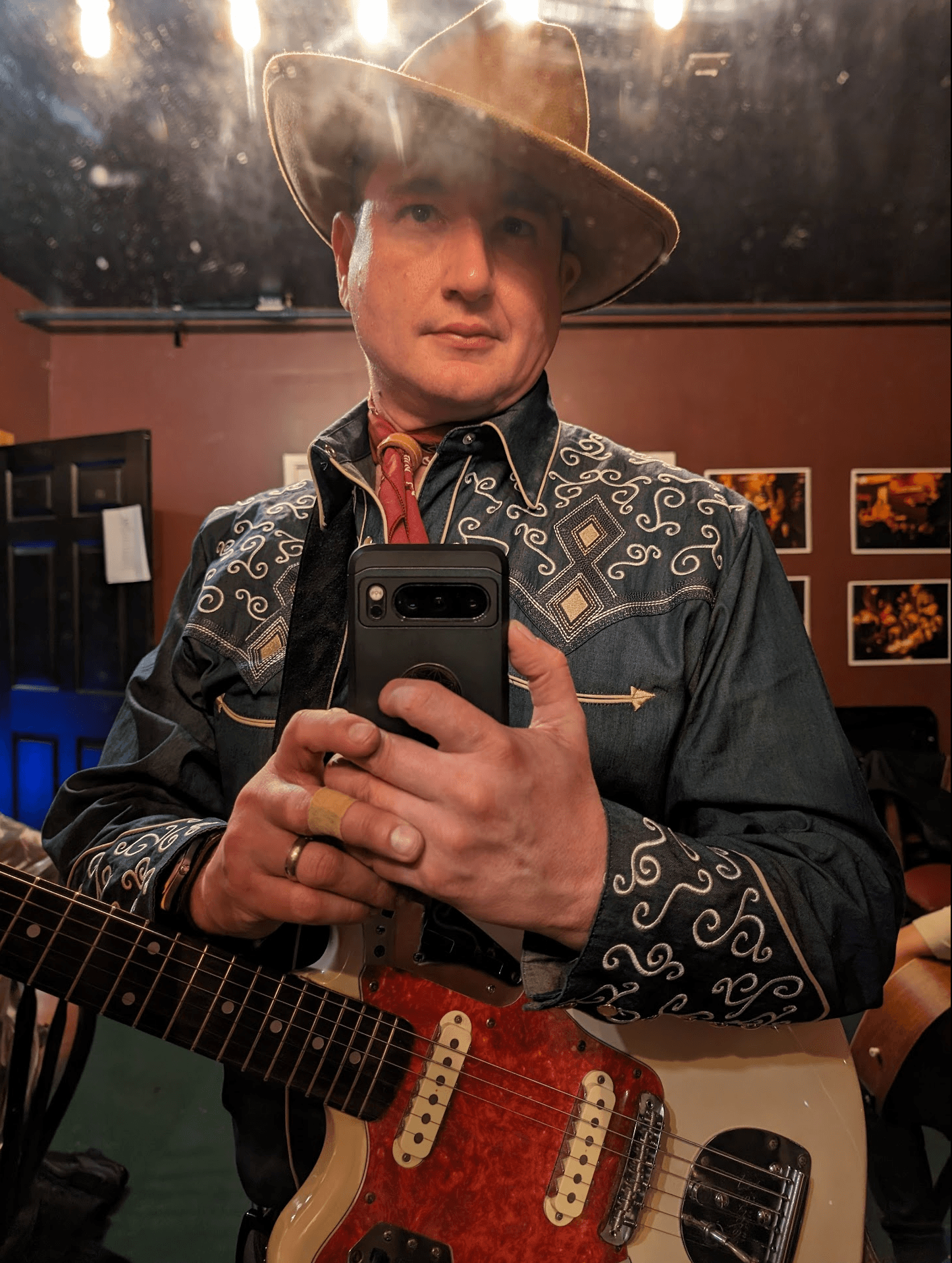
When Guns N’ Roses dropped their debut album, “Appetite for Destruction,” rock music was dominated by hair-metal bands that were way more about the hair and much less about the metal. At first glance it looked like G’N’R might be just another LA band trading on the same tired tropes about the Sunset Strip, stupid hairstyles, and girls, girls, girls. But by the time they dropped their second single, Welcome to the Jungle, it was pretty clear that the Gunners had just dropped the hammer on glam-metal and essentially ended the entire genre simply by kicking so much ass.
Welcome to the Jungle: The most explosive debut in the history of rock
Leading their dual-guitar attack was a man who loved Marshall stacks as much as he hated wearing shirts. Born Saul Hudson, clearly a man this cool had to pick a name that epitomized the rock'n'roll spirit of his guitar playing. So, he changed his name to Slash, recorded the best debut album of all time, and became a guitar hero overnight.
While his image is inseparable from top hats and Les Pauls, Slash’s guitar tone is equally as recognizable as his look. With these Neural Amp Modeler captures available on TONE3000, guitar players can explore Slash’s iconic amplifier tones using accurate, free amp sims and impulse responses of the same gear that helped define his sound. Top hat not included.
Marshall JCM 25/50 Model 2555 Lead
The Marshall JCM 25/50 Model 2555 Lead is the most important amplifier associated with Slash’s early Guns N’ Roses era. This amp delivered the thick, harmonically rich distortion heard across Appetite for Destruction, offering more saturation and sustain than earlier Plexi designs while still retaining clarity. NAM captures of the 2555 preserve the aggressive bite and dynamic response that made it such a defining part of his sound.
Download Neural Amp Model ➝ Marshall JCM 25/50 Model 2555 Lead

Marshall JCM800
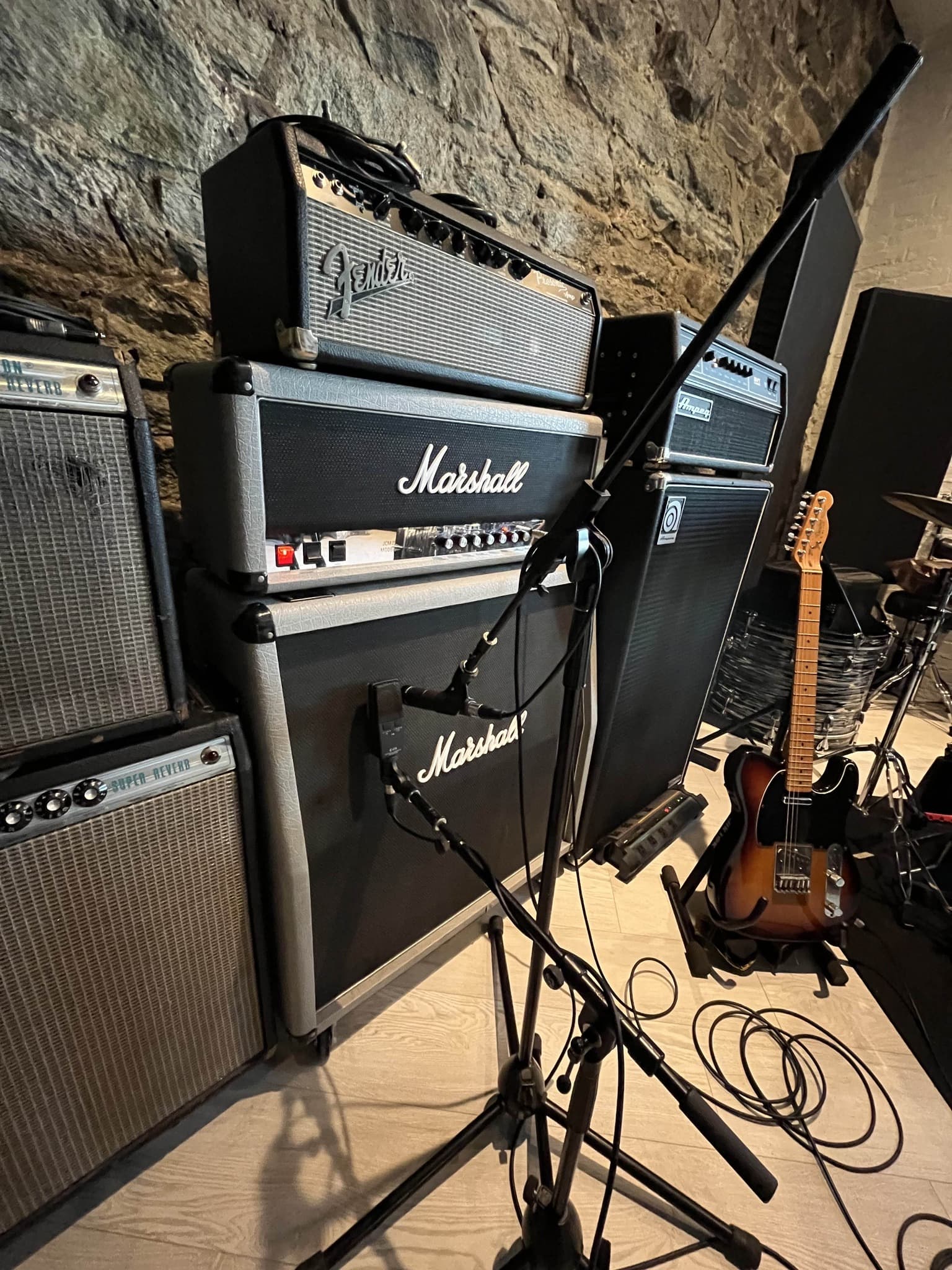
The Marshall JCM800 represents the classic British rock foundation that Slash has returned to throughout his career. Known for its tight low end and punchy attack, the JCM800 excels at crunchy rhythm tones and focused lead sounds.
Download Neural Amp Model ➝ Marshall JCM800

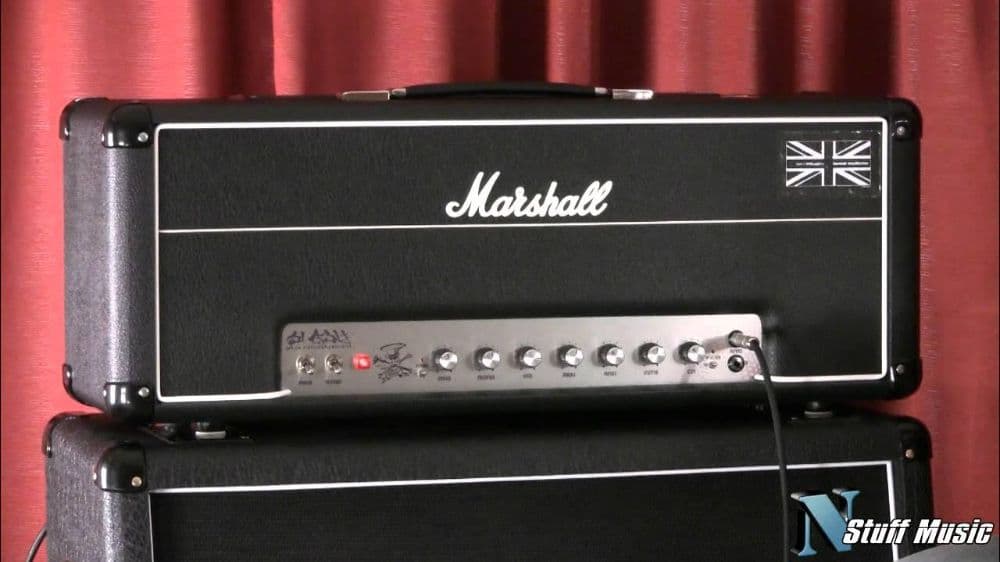
Marshall AFD100 Slash Signature
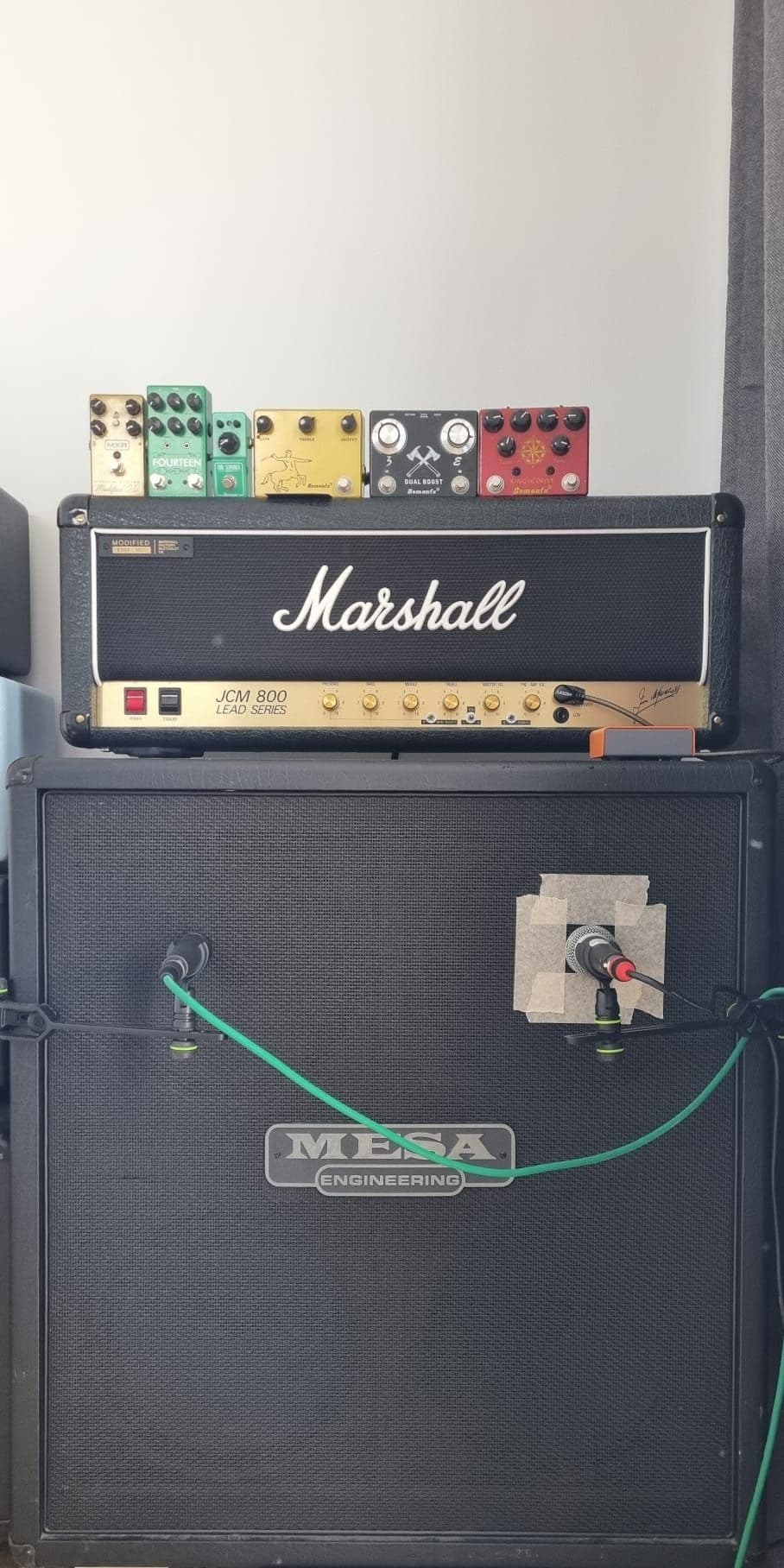
It’s in the rulebook that if you achieve Guitar God status, you get your own signature model amp. Based largely on the Marshall JCM800, Slash’s signature amplifier, the Marshall AFD100, was designed to recreate the tones heard on Appetite for Destruction while offering modern consistency. Most of the tweaks made to the JCM8000 platform were focused on building an amp that could handle the rigours of the road, making the Marshall AFD100 a staple of his touring rigs in later years.
Download Neural Amp Model ➝ Marshall AFD100 Slash Signature

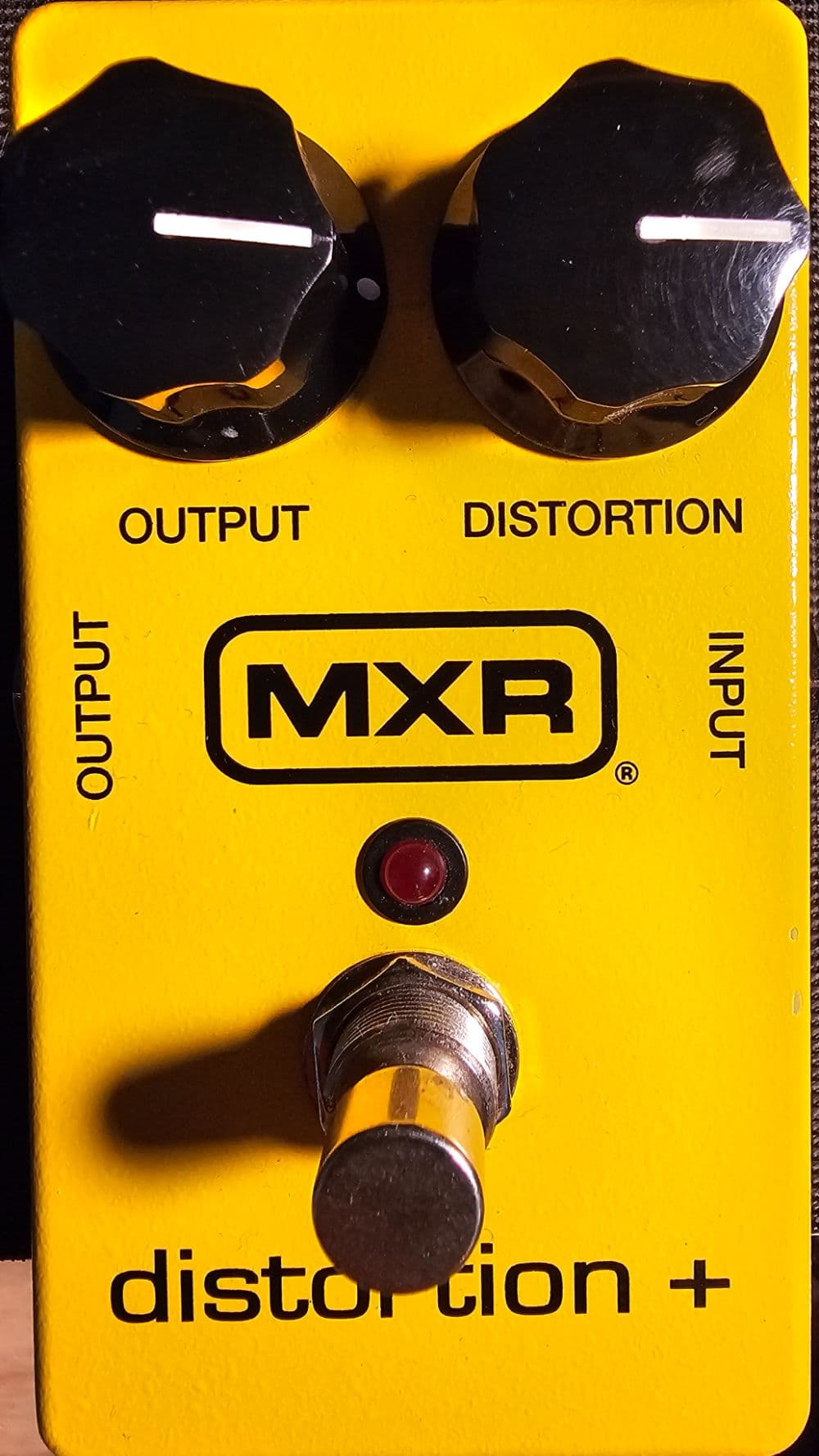
MXR M104 Distortion+ Marshall 1960 4x12 Celestion
The MXR M104 Distortion+ is one of the few pedals closely associated with Slash’s early setup. Rather than relying on heavy pedal distortion, he used the Distortion+ as a simple way to push the front end of an already driven amp. NAM captures of the MXR M104 Distortion+ preserve its straightforward, vintage character and demonstrate how subtle pedal choices can enhance an amp driven tone rather than replace it.
Download Neural Amp Model ➝ MXR M104 Distortion+

Marshall 1960 4x12 Celestion Cabinet
Closing out this list is the mighty Marshall 4x12 cabinet. Because nothing says “Slash” like a big ass wall of Marshall stacks. This impulse response of a vintage Marshall stack features 4x12 Celestion Greenbacks; Slash’s personal choice for studio recording.
Download Impulse Resonse ➝ Marshall 1960 4x12 Celestion Cabinet
Bringing Slash’s Tone into the NAM World
Slash’s sound has always been about feel, phrasing, and musicality as much as it’s about equipment. The amps and pedals he chose were tools to support expressive playing, not distractions from it. With NAM profiles of these iconic pieces available on TONE3000, guitarists can explore the same tonal foundations that shaped his epic tone. All you need now is to take down those Poison posters and start playing some real rock'n'roll.