TONE3000

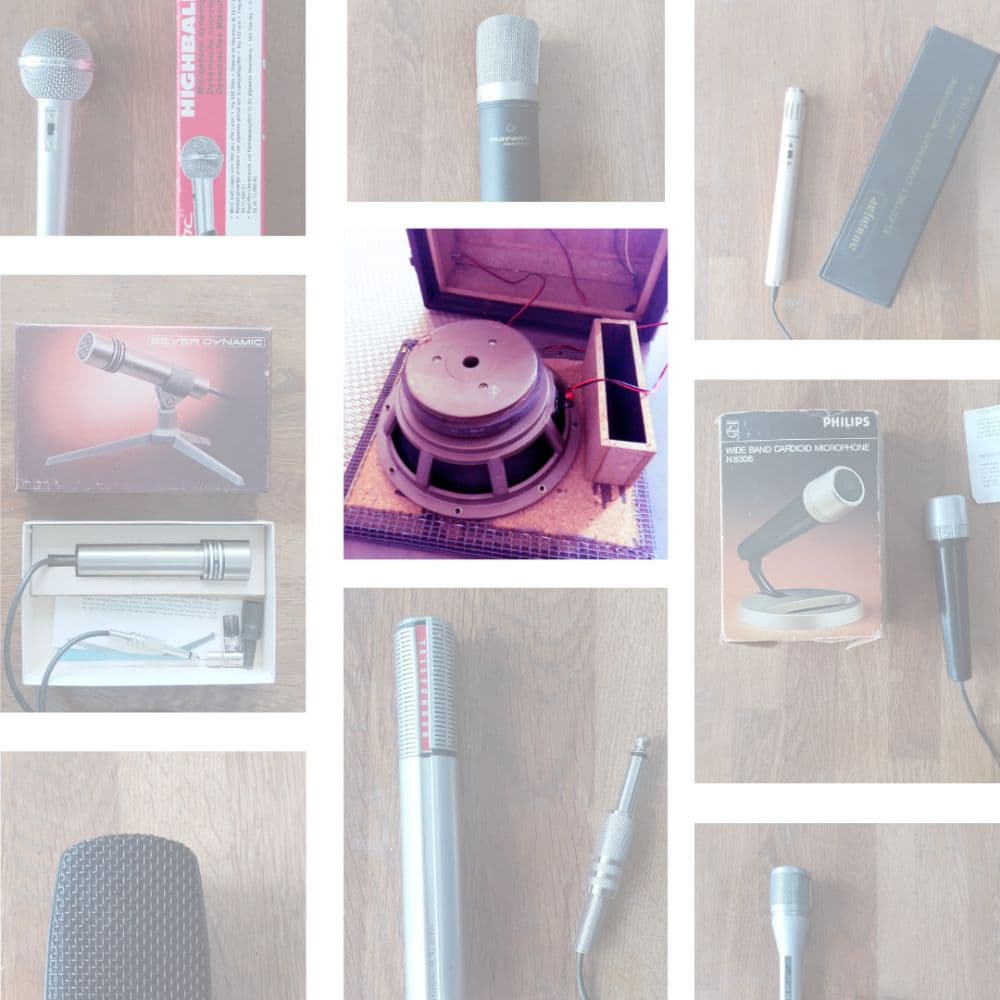
Rare Pearl 12-Inch 4-Ohm Japan 1970s Speaker IR Pack - Vintage Jazz Chorus Style Tone, Paired with 13 Vintage and Modern Microphones

Impulse Response

IR

morenoteslesstalk's avatar

morenoteslesstalk

20 hours ago

Description

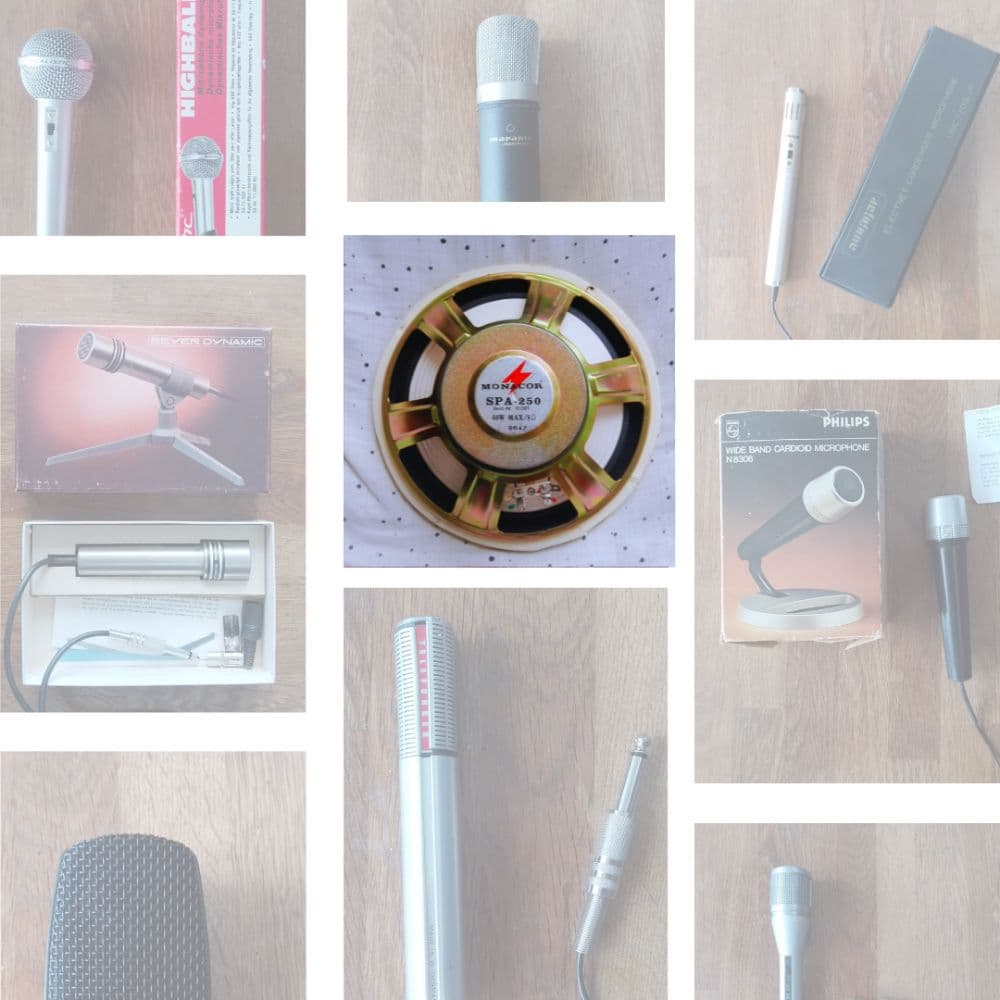
This 12-inch Pearl speaker from Japan, dating to the 1970s, is a rare find that delivers a versatile voice with a surprisingly strong low-end rumble, which not all microphones fully captured, yet remains impressively present. Its tonal flexibility makes it suitable for low overdriven guitar, doom-style riffs, and ambitious home hi-fi setups, while maintaining clarity and musicality across frequencies. Its voice evokes the spirit of the classic Roland Jazz Chorus, and it could even be an early clone, offering bright clarity, dynamic response, and musical compression. The speaker was recorded through my Pearl SS-102 solid-state amplifier, a loud, crystal-clear, and noiseless unit that is easy to service. The amp features two channels (high and low), two modes (normal and distortion), and an analog effect flange section easily controlled via footswitch. Its modulation section is versatile, ranging from warm chorus to swirly flange and rapid expressive vibratos. This combination allows the speaker to deliver a responsive and musical performance, whether used for guitar, bass, or experimental setups. Microphones (full specs): AKG D70, Dynamic, 1980s–1990s, Austria, 620 Ω Akai ADM 65, Dynamic, 1980s, Japan, 600 Ω Audiojap UMC7103/1P, Electret, 1980s, Japan, 600 Ω Behringer B 906, Dynamic, 2019, China, 600 Ω Beyerdynamic M 550 LM, Dynamic, 1970s, West Germany, 500 Ω Blaupunkt CR 4073, Dynamic, 1970s, Germany, impedance unknown Marantz MPM 1000, Condenser, 2010s, China, 200 Ω Philips N8306, Dynamic, 1969, Europe, 500 Ω Realistic Highball 2, Dynamic, 1973, Japan, 600 Ω Sony MTL F 96, Dynamic, 1964, Japan, 600 Ω Technics RP 3125E, Electret, 1970s, Japan, 600 Ω Telefunken TD26, Dynamic, 1969, Europe, 750 Ω Uher M 516, Dynamic, 1969, Germany, 500 Ω Each speaker is carefully prepared before capture, ensuring optimal performance and consistency. Speakers undergo a minimum one-hour cycle of white, pink, and brown noise, pushing them to the point of mechanical rattling to minimize unwanted artifacts during recording. These sessions are interrupted with sine wave cycles to further evaluate speaker behavior and maintain sonic integrity. All microphones are kept in a dust-free, dark environment and maintained regularly to guarantee accuracy. During recording, a 30-second sine sweep is used. The signal passes through a neutral preamp, a linear power amplifier, the reliable Fosi Audio V1.0G, and then to the speaker, with all microphones powered by a Behringer MIC500 USB equipped with a Brimar 12AU7 WA tube. Noise removal is applied only when necessary to preserve the original sound. Post-processing is performed meticulously. Files are normalized at -3 dB, DC offset is removed, and Voxengo Deconvolver is applied with MP transform. The resulting IRs are normalized again to -0.3 dB, producing clean, consistent, and high-fidelity captures. This methodology ensures every speaker and microphone combination is faithfully represented, providing reliable and professional-quality impulse responses for all applications.

Preview

IR
Input
Model

Powered by

Impulse Responses

Each impulse response is a snapshot that captures different mic placements, speakers, room positions, reverb settings etc.

Comments

Share your thoughts...
@username to mention • Ctrl+Enter to submit

License: T3K

Users may download and use the data file in software and publish the resulting outputs without royalties or restrictions. However, they may not upload, republish, or distribute the data file without the author's permission.

Use Your Tones

Load NAM files and IR's from TONE3000 onto a free plugin or compatible pedal.
TONE3000 Digital Models

NEW TO TONE3000?

Discover hyper-realistic digital models of iconic gear, including the Fender Twin Reverb, Vox AC30, Marshall JCM 800, and thousands more. Getting started is easy—and free!