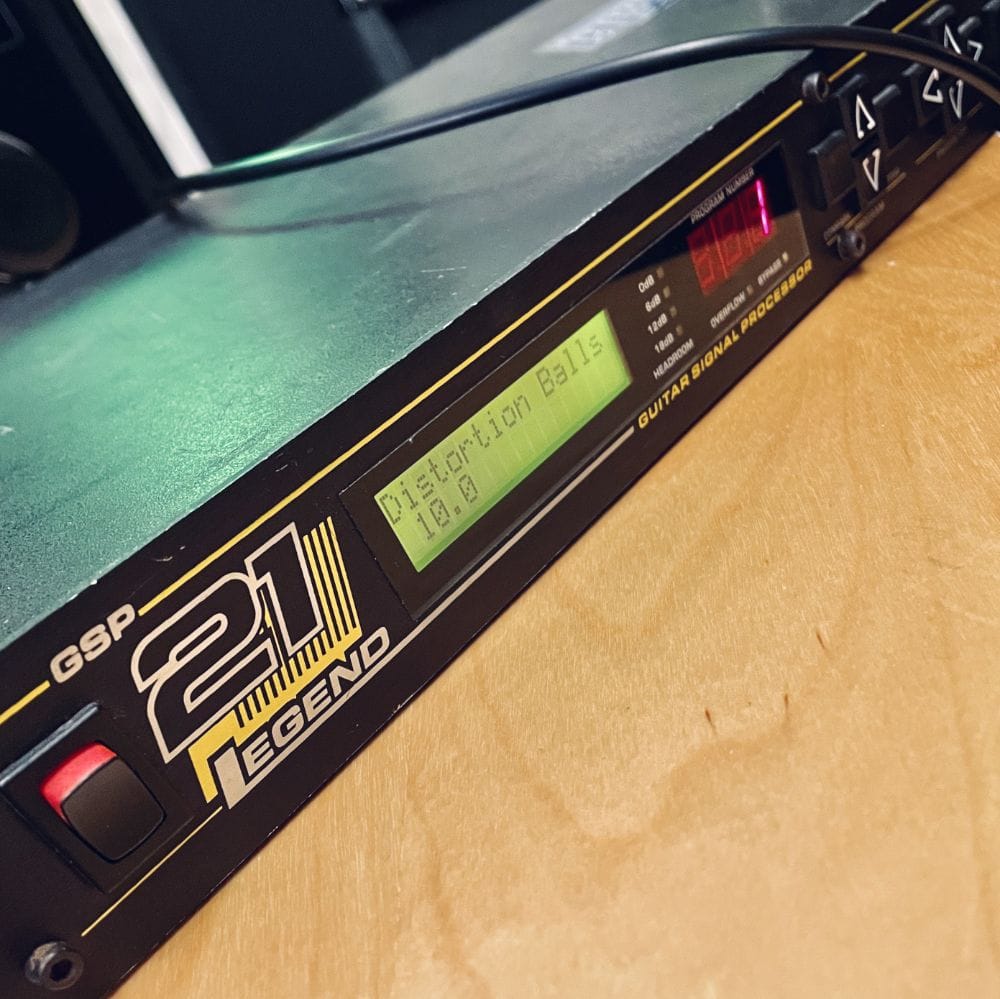
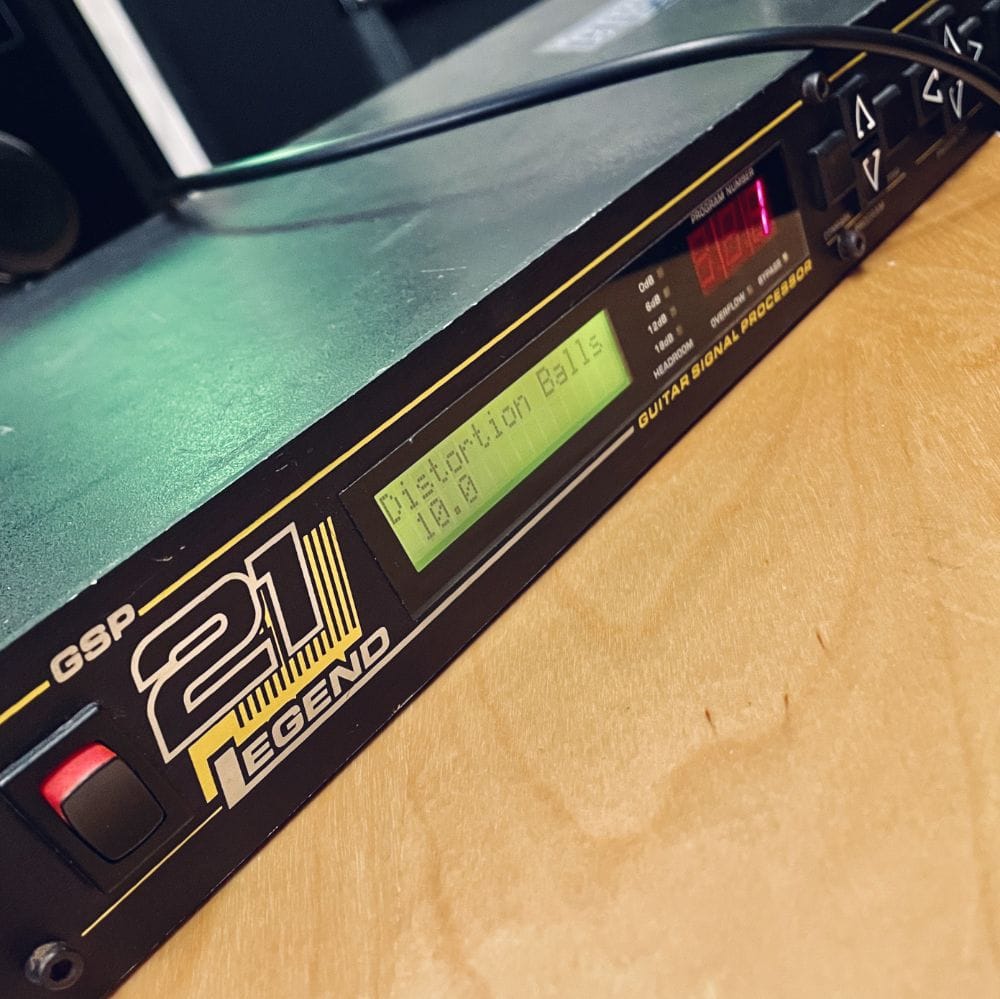
Before it ever touches a delay or a reverb, the signal in a DigiTech GSP 21 Legend passes through an analog guitar preamp, which is a chain of classic effects in its own right. This capture is that part only, with the digital effects left out. The GSP 21 Legend is a rackmount guitar processor, a piece of 1980s and 90s studio and stage gear that had a lot of presets and a foot controller. What makes it interesting is the layout. The analog section comes first, then an effects loop, then the digital effects, so you can use the analog preamp on its own, in front of an amp or into a mixing desk.
The analog section has nine effects: compression, four distortion voices (rock tube, metal tube, overdrive and heavy sustain), a 7-band graphic EQ, an enhancer, a noise gate and a speaker simulator. Players still remember the unit for those distortions, which range from the crunch of an overdrive to the compressed, sustaining wall of the heavy sustain setting. Many people didn't realize that this section could work as a standalone preamp, so it makes a good capture subject. It has the kind of mid-heavy, slightly raw, quintessentially late-80s rack tone.
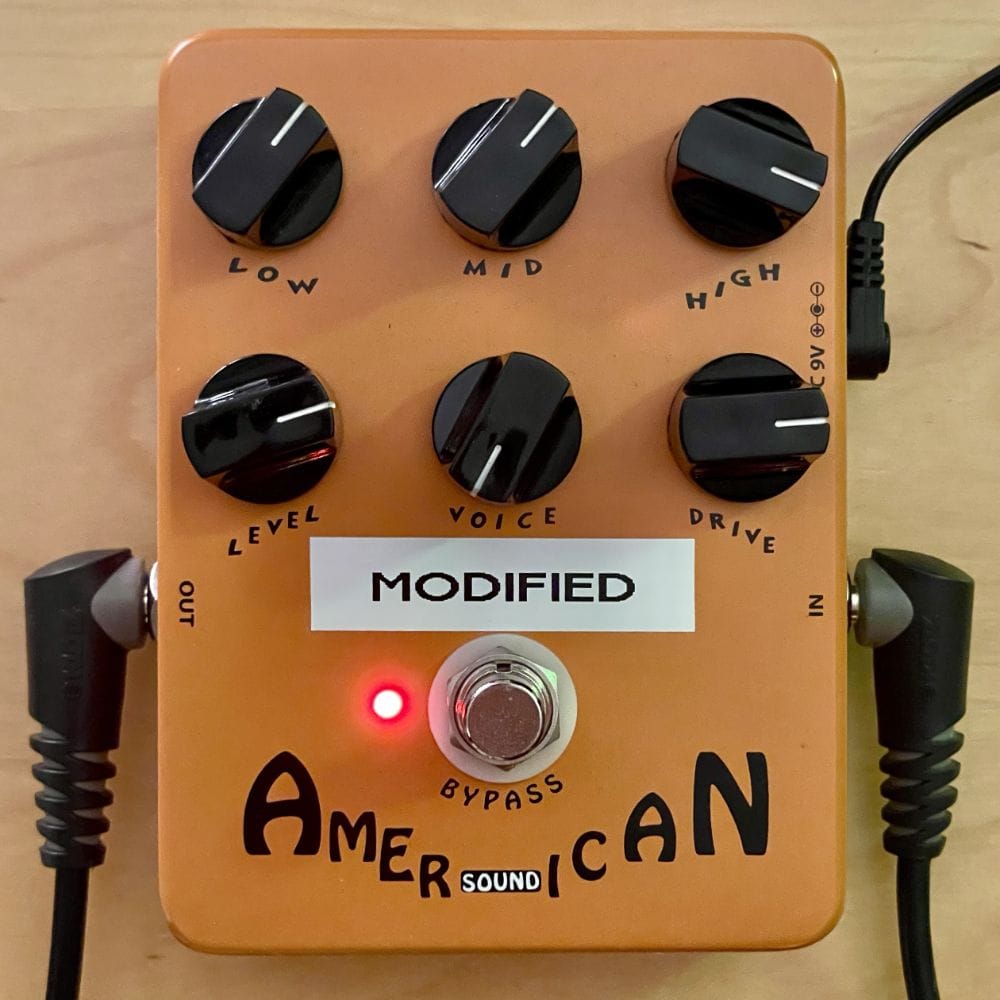
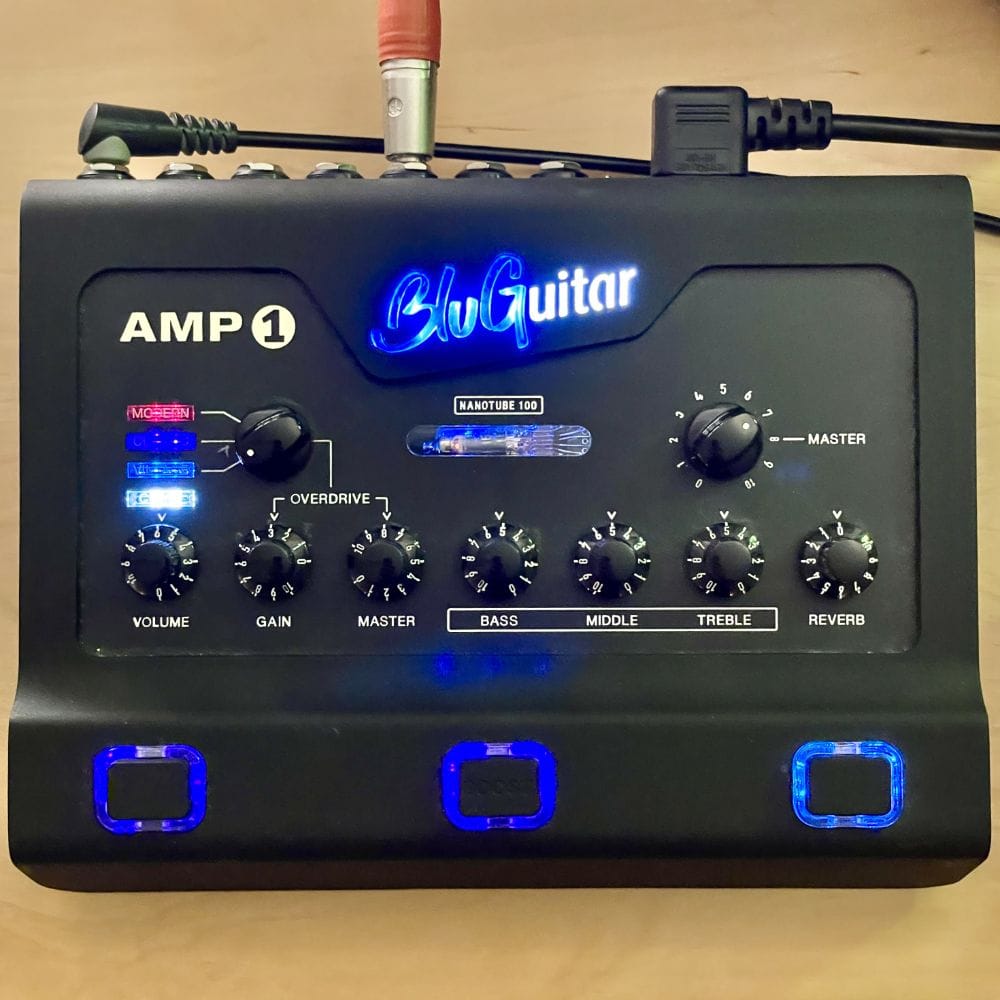
Here I captured the compressor, distortions and the enhancer as individual effects without using the EQ, noise gate and speaker sim. Feel free to play around with the input and output level of each profile as well as the built-in EQ in your NAM plugin or player.
Notes about the individual effects:
- Compressor: Evens out your dynamics and adds sustain. Only the amount (A) was varied while the level (L) was kept constant.
- Distortion (four voices): Rock tube, metal tube, overdrive and heavy sustain. The gain (G, it's actually called "Distortion Balls" on the unit) is the only available parameter on these effects. BTW, the unit doesn't contain any tubes.
- Enhancement: Adds sparkle and presence to the top end. Has only one unnamed amount parameter.
I recommend watching Michael Nielsen's video on YouTube where he basically upgrades his PRO version to a LEGEND version by changing a chip and then demoes it.