Private
TONE3000

Marshall Blues Breaker LTspice (Calibrated)

Pedal Capture

NAM

metalheart's avatar

metalheart

2d

Description

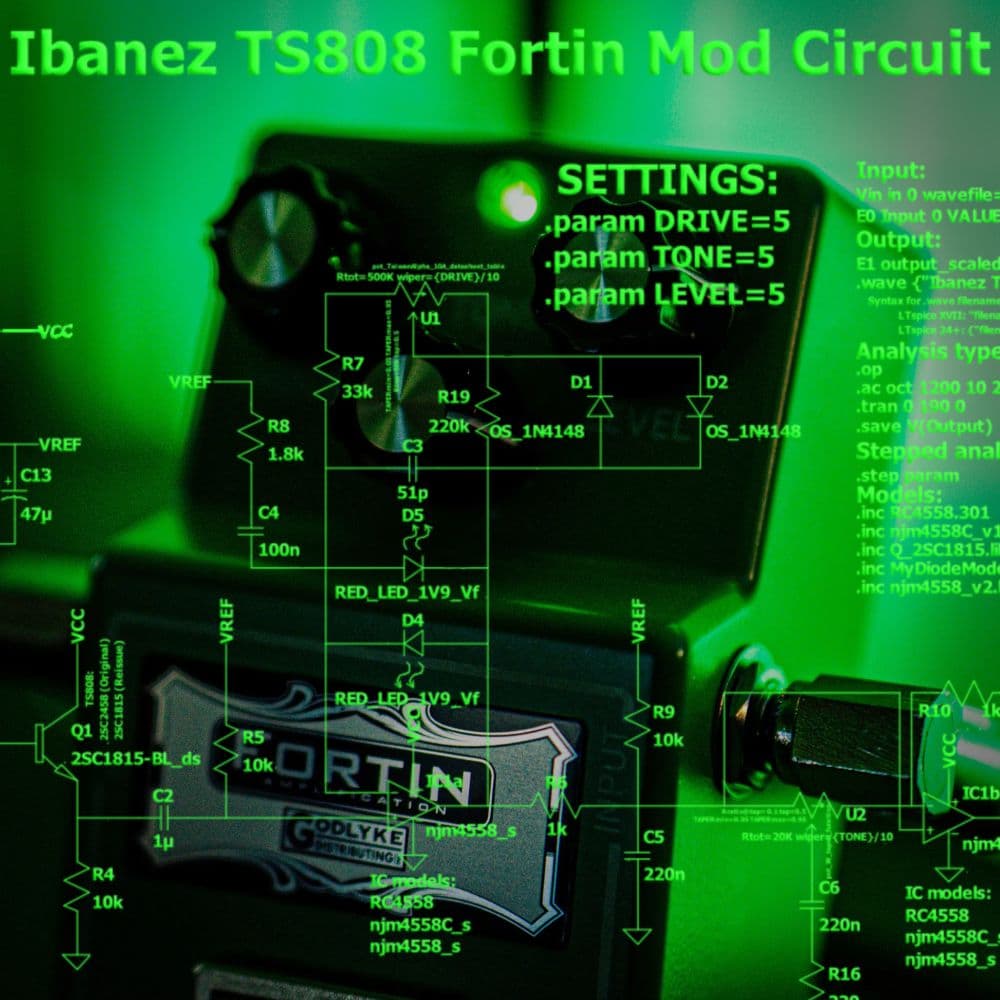
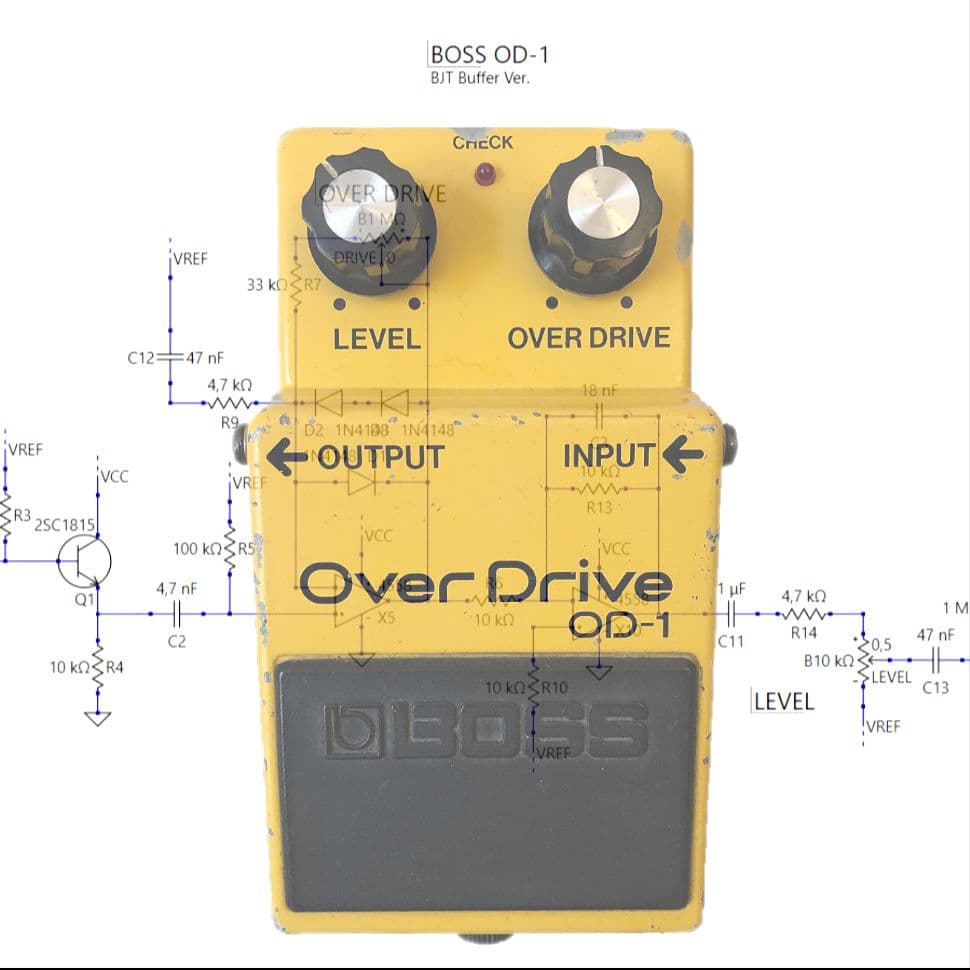
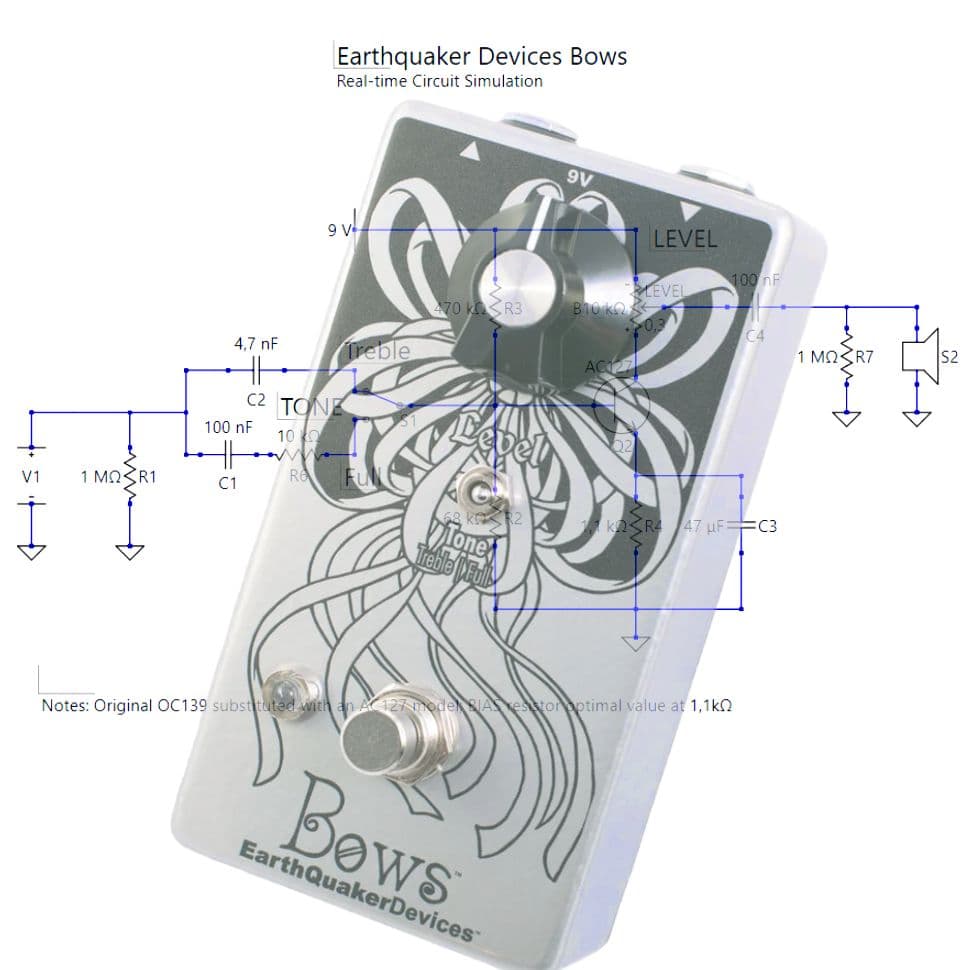
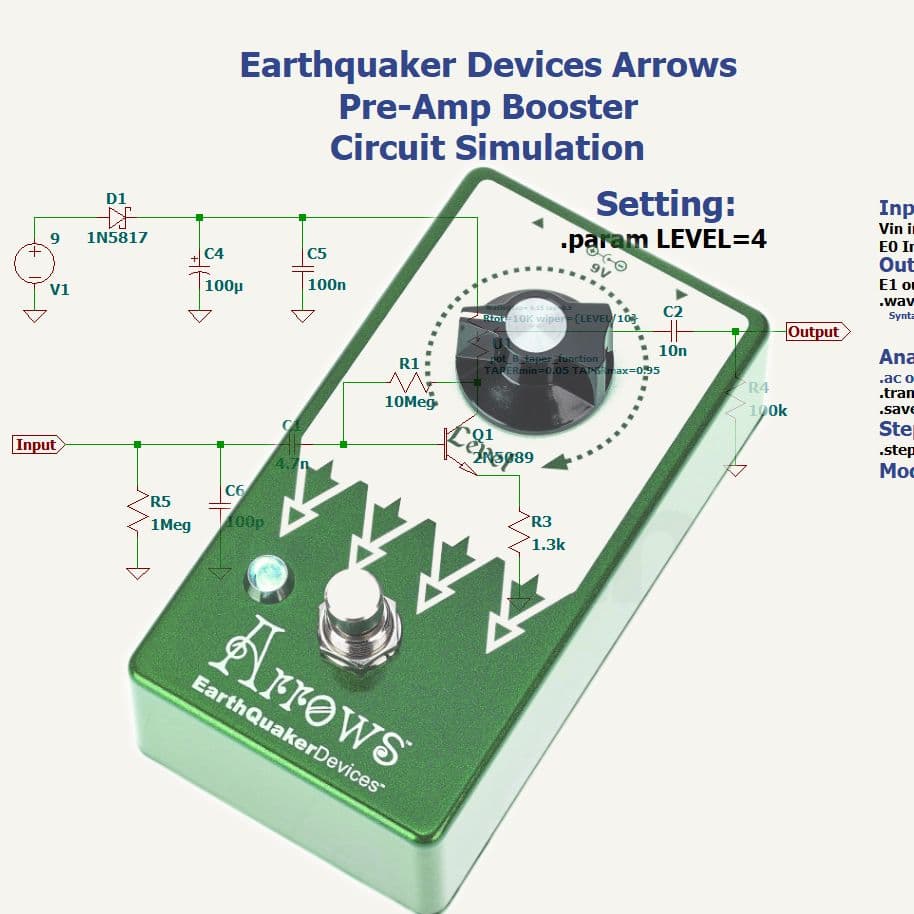
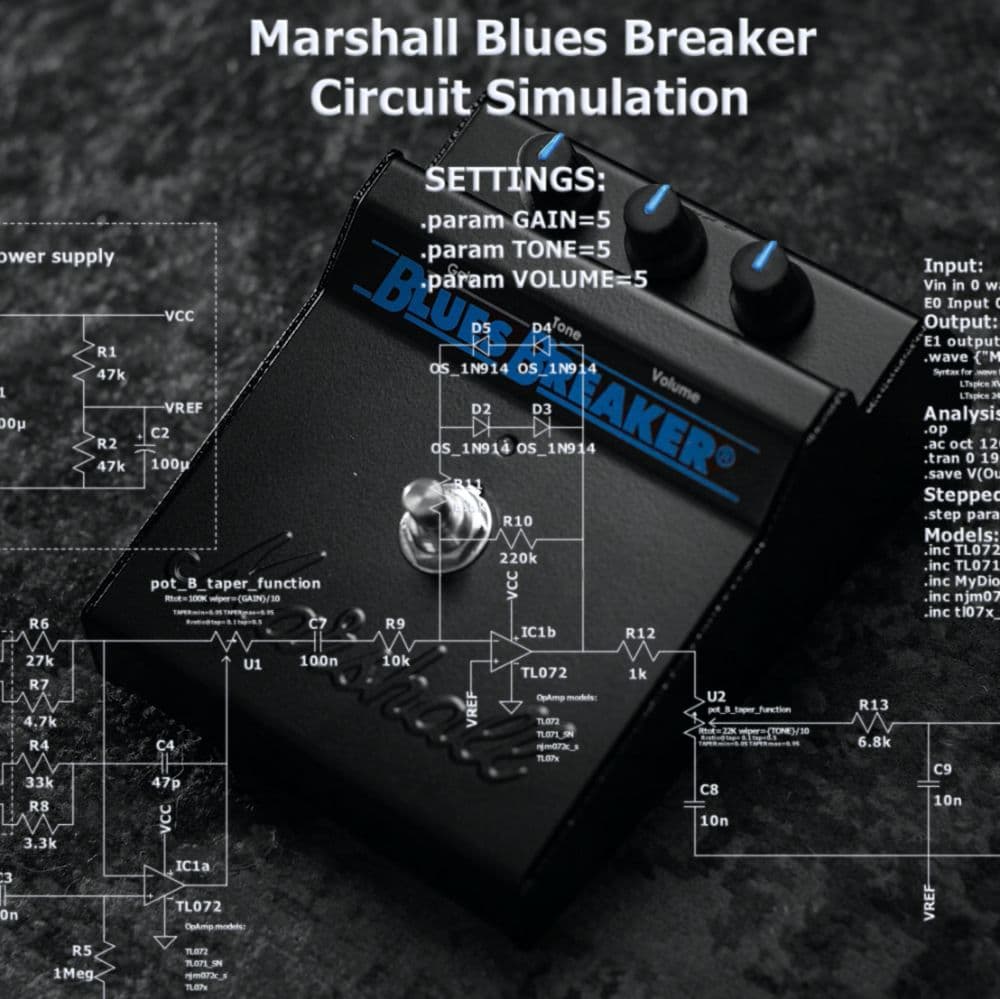
• Intro: Marshall released this overdrive pedal in the early '90s as an attempt to emulate the sound of their classic homonymous guitar amplifier. During that decade the pedal received a revision which changed the sound of it quite noticeably. I tested both revisions and couldn't decide which one I liked more so I did captures for both (labeled as Rev1.1 and Rev1.2 in this pack). At the end of the decade the pedal was ultimately discontinued in favor of the Blues Breaker II (which isn't as highly regarded as the first one). John Mayer is probably the most notable player of this pedal and the one who popularized it in recent years. Thanks to that popularity surge the price of original units skyrocketed from pennies to $500-1000+ in recent years. • Sound character: The pedal is supposed to add more of what already exists from the amp to the sound. It's transparent with a much flatter response compared to other overdrives of that time. Also it retains player dynamics, providing grit when picking hard but it clears with light playing. Overall it's great for edge to overdriven rock and blues tones. In 1994 Marshall made some minor but drastic changes to the pedal which resulted in a brighter and slightly gainier sound, referred to as Rev1.2 here. The Rev1.2 version of the pedal is more suited if you want more grit and air out of it. Some players like the original Rev1.1 more for its subtlety and warmth. In my opinion there's not a clear winner here. Also, it pairs great with other overdrive, distortion or preamp pedals. It is typically used early in stacked configurations. • Settings: There's a good range of useable GAIN settings included here from low to high gain. TONE range was set at positions from 3 to 8, which is the most commonly used. The VOLUME was fixed at position 8 for all captures, which is close to unity. You are free to adjust the output volume from your NAM host if you need more or less. If you really want to simulate a faithful output level, I included a VOLUME response graph at the technical section below. For each chosen setting both a Rev1.1 and Rev1.2 capture is included. Try both and see which revision you like more. • Calibration: Calibration metadata is already embedded in the NAM files. Details: Input: +12 dBu ≘ 0 dBFS | Output: +8.5 dBu ≘ 0 dBFS You only need to enter the headroom of your audio interface's input in dBu inside your NAM host. • Slightly technical info: (TL;DR: some nerdy stuff, you can skip to notes if you are not interested) The circuit was simulated with a speed of ~160ms/s on my computer. Consequently each simulation with the NAM training wave file took about 20 minutes to complete. Above I mentioned there was a revised version of the pedal during its production. Specifically, in 1994 Marshall decided to change the values of two resistors that reside in the input gain stage filter section. This was not a minor change of values (the values went from 27 and 33 kΩ to 4.7 and 3.3 kΩ respectively). As a result, Rev1.2 was brighter and with a bit more output. Both versions are common for DIY clone builds. Frequency/gain response graphs: Below you will find graphs showing how the pedal responds to turning each of its knobs. The spectrum is from 10 Hz to 25 kHz. A 1 Volt peak AC source was used to generate these graphs. Apart from the swept knob, the other two knobs were at noon for these measurements. The frequency range that interests us is from ~80Hz to ~6000Hz, which is what a typical guitar speaker would produce. GAIN knob sweep response graph: https://i.imgur.com/q2O9Es2.png We can see that the pedal gets more mid heavy as we increase the gain. At gain settings below 5 the pedal response is pretty flat. TONE knob sweep response graph: https://i.imgur.com/48e1NzB.png It's basically a passive attenuation filter cutting off highs at around 1000 Hz. Sounds most balanced around halfway. VOLUME knob sweep response graph: https://i.imgur.com/e7g2WC5.png It's a simple voltage divider. The relative frequency response stays practically the same. Only the amplitude changes. You can use this graph as a reference to add or subtract dB from your output to simulate the VOLUME knob. All captures in this pack were generated with VOLUME set at 8. If for example you wanted to set it at 10 you would add ~4.5 dB. ⚠️ Note: These captures are (input AND output) CALIBRATED! Calibrated NAM captures enable you to experience an accurate gain response, similar to the real hardware, or the simulated hardware in this case. Preferably use an amp capture with calibrated input after them. If you don't know how to set up calibrated NAM chains watch 2dor's tutorials "𝗡𝗔𝗠 𝗰𝗮𝗹𝗶𝗯𝗿𝗮𝘁𝗶𝗼𝗻 & 𝗰𝗮𝗹𝗶𝗯𝗿𝗮𝘁𝗲𝗱 𝗽𝗿𝗼𝗳𝗶𝗹𝗲𝘀: 𝗾𝘂𝗶𝗰𝗸 & 𝗲𝗮𝘀𝘆 [𝟮𝟬𝟮𝟱]" & "𝗦𝘁𝗮𝗰𝗸𝗶𝗻𝗴 𝗰𝗮𝗹𝗶𝗯𝗿𝗮𝘁𝗲𝗱 𝗡𝗔𝗠 (𝗡𝗲𝘂𝗿𝗮𝗹 𝗔𝗺𝗽 𝗠𝗼𝗱𝗲𝗹𝗲𝗿) 𝗽𝗿𝗼𝗳𝗶𝗹𝗲𝘀" on YouTube OR read the "𝗡𝗲𝘂𝗿𝗮𝗹𝗔𝗺𝗽𝗠𝗼𝗱𝗲𝗹𝗲𝗿𝗣𝗹𝘂𝗴𝗶𝗻 𝘃𝟬.𝟳.𝟭𝟮 𝗶𝘀 𝗿𝗲𝗹𝗲𝗮𝘀𝗲𝗱" blog post on the Neural Amp Modeler website. Of course you are free to experiment! Using the Raw option will also preserve the unit's output that is relative to your input signal or just use whatever levels you like more! The calibrated options will just give you the results that are closest to real life. ⚠️ Note 2: These captures are NOT derived from the physical hardware but from circuit simulation done in a SPICE environment. I try to make this very clear in my titles, descriptions and thumbnails so that I don't mislead any people. Of course that doesn't mean they can't sound just as good, provided they are done correctly. From my tests, where I compared other physical circuits with their SPICE simulated ones I couldn't hear any difference, other than what could be attributed to component tolerances. I can't say the same for commercial plugin versions of those circuits that I've tried. Some added bonuses of SPICE simulated gear is that component self-noise is usually not simulated, which results in better ESR results and also that we can capture just the intended circuit and not a chain consisting of unrelated devices like DIs, Reamp boxes, audio interface preamps etc. which imprint their own character to the signal.

Preview

Model
IR
Input

Powered by

NAM Models

Each model captures the gear at specific knob settings.

A2-FullESR: 0.0005

A2-LiteESR: 0.0012

400 Epochs

Sweep

cal.

Captured on

Tone3000 - NAM Captures and IRs

A2-FullESR: 0.0005

A2-LiteESR: 0.0015

400 Epochs

Sweep

cal.

Captured on

Tone3000 - NAM Captures and IRs

A2-FullESR: 0.0006

A2-LiteESR: 0.0019

400 Epochs

Sweep

cal.

Captured on

Tone3000 - NAM Captures and IRs

A2-FullESR: 0.0005

A2-LiteESR: 0.0011

400 Epochs

Sweep

cal.

Captured on

Tone3000 - NAM Captures and IRs

A2-FullESR: 0.0008

A2-LiteESR: 0.0012

400 Epochs

Sweep

cal.

Captured on

Tone3000 - NAM Captures and IRs

A2-FullESR: 0.0006

A2-LiteESR: 0.002

400 Epochs

Sweep

cal.

Captured on

Tone3000 - NAM Captures and IRs

A2-FullESR: 0.0012

A2-LiteESR: 0.0025

400 Epochs

Sweep

cal.

Captured on

Tone3000 - NAM Captures and IRs

A2-FullESR: 0.0005

A2-LiteESR: 0.0012

400 Epochs

Sweep

cal.

Captured on

Tone3000 - NAM Captures and IRs

A2-FullESR: 0.001

A2-LiteESR: 0.0033

400 Epochs

Sweep

cal.

Captured on

Tone3000 - NAM Captures and IRs

A2-FullESR: 0.001

A2-LiteESR: 0.0019

400 Epochs

Sweep

cal.

Captured on

Tone3000 - NAM Captures and IRs

Comments

Share your thoughts...
@username to mention • Ctrl+Enter to submit

License: T3K

Users may download and use the data file in software and publish the resulting outputs without royalties or restrictions. However, they may not upload, republish, or distribute the data file without the author's permission.

Works with TONE3000

Browse and play TONE3000 tones directly in these plugins, pedals and amps.

Pedals and amps

TONE3000 Digital Models

NEW TO TONE3000?

Discover hyper-realistic digital models of iconic gear, including the Fender Twin Reverb, Vox AC30, Marshall JCM 800, and thousands more. Getting started is easy—and free!