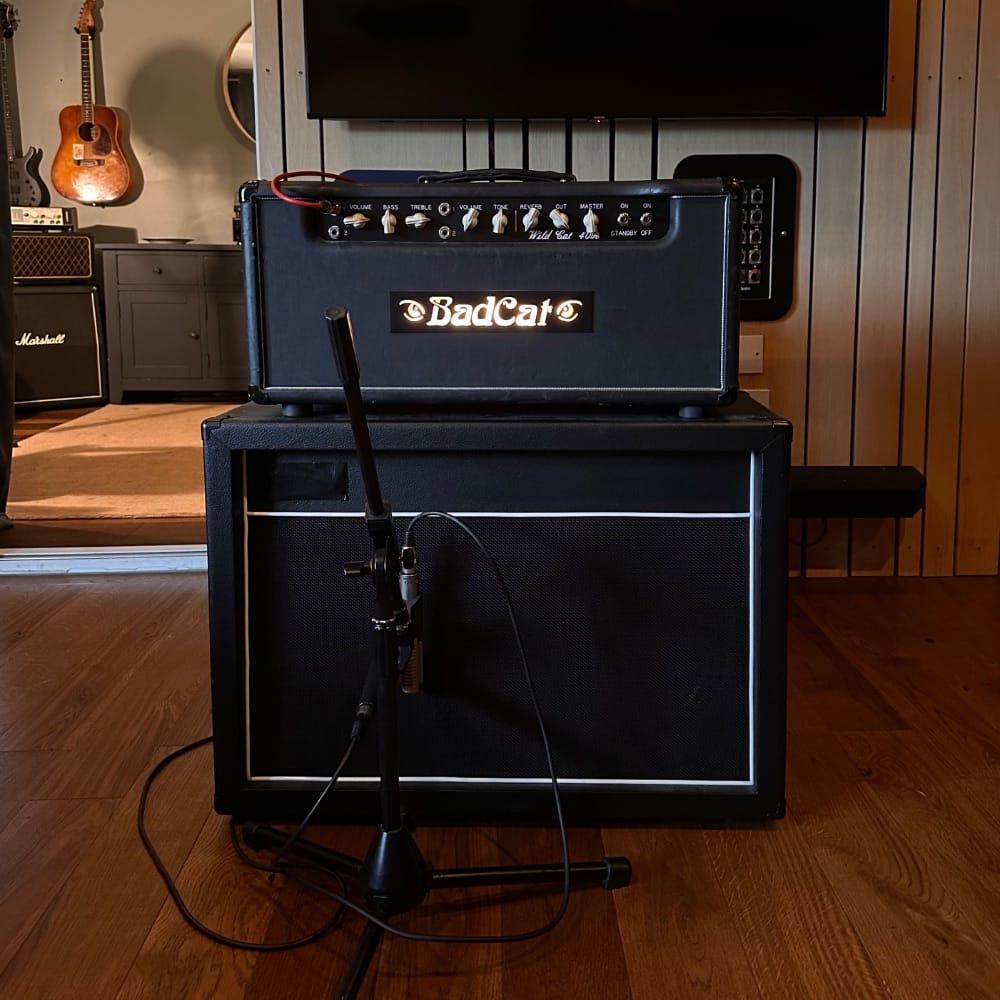
Description
Tags
Preview
0:00/0:00
NAM CaptureTone on
Mayer - GuitarNone
NAM Models
Each model captures the gear at specific knob settings.
A2-FullESR: 0.003
A2-LiteESR: 0.0103
400 Epochs
Dry/Wet
cal.
Captured on
A2-FullESR: 0.0031
A2-LiteESR: 0.0092
400 Epochs
Dry/Wet
cal.
Captured on
A2-FullESR: 0.0033
A2-LiteESR: 0.0084
400 Epochs
Sweep
cal.
Captured on
A2-FullESR: 0.0038
A2-LiteESR: 0.0095
400 Epochs
Sweep
cal.
Captured on
A2-FullESR: 0.0026
A2-LiteESR: 0.0077
400 Epochs
Sweep
cal.
Captured on
A2-FullESR: 0.0028
A2-LiteESR: 0.0084
400 Epochs
Sweep
cal.
Captured on
A2-FullESR: 0.0034
A2-LiteESR: 0.0104
400 Epochs
Sweep
cal.
Captured on
1 Comment
Clay BennettCreator
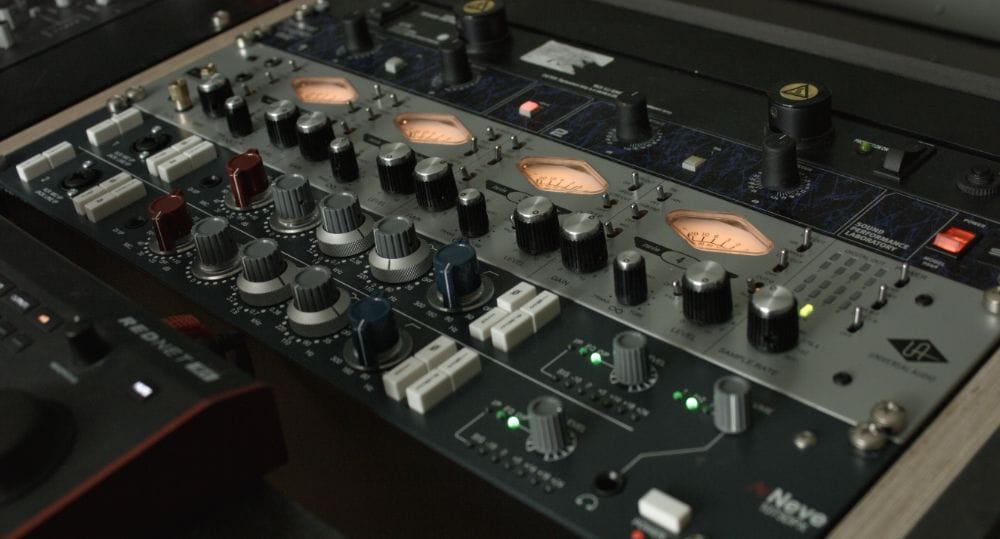
My experiment results were as follows: DIGI captures had a significant increase in signal:noise ratio meaning they were hissing more underneath the playing which got louder as the calibration send level got quieter (still quieter than the real amp I should add)... overall dynamics and saturation all got less exciting and much flatter sounding as the send level decreases and (as I already knew from my own testing at the beginning of the year) the 18dBu send level ANLG was closest in an A/B test against the real amplifier. The 24dBu version was the noisiest in terms of signal:noise ratio and wasn't as accurate as the 18dBu one in terms of tone as it was overall more saturated than the real amplifier resulting in woolier low-end and more agressive top end than the real amp. I hope that this serves a purpose to someone else too as these results will almost certainly change between interfaces and reamp methodologies too.
0
License: T3K
Users may download and use the data file in software and publish the resulting outputs without royalties or restrictions. However, they may not upload, republish, or distribute the data file without the author's permission.More Tones From @claybennett
Works with TONE3000
Browse and play TONE3000 tones directly in these plugins, pedals and amps.Plugins


NEW TO TONE3000?
Discover hyper-realistic digital models of iconic gear, including the Fender Twin Reverb, Vox AC30, Marshall JCM 800, and thousands more. Getting started is easy—and free!