TONE3000

Peerless Alnico 12-Inch 20W - Denmark,1965 - Speaker IR Pack - paired with 13 microphones from all eras (vintage and modern)

Impulse Response

IR

morenoteslesstalk's avatar

morenoteslesstalk

21 hours ago

Description

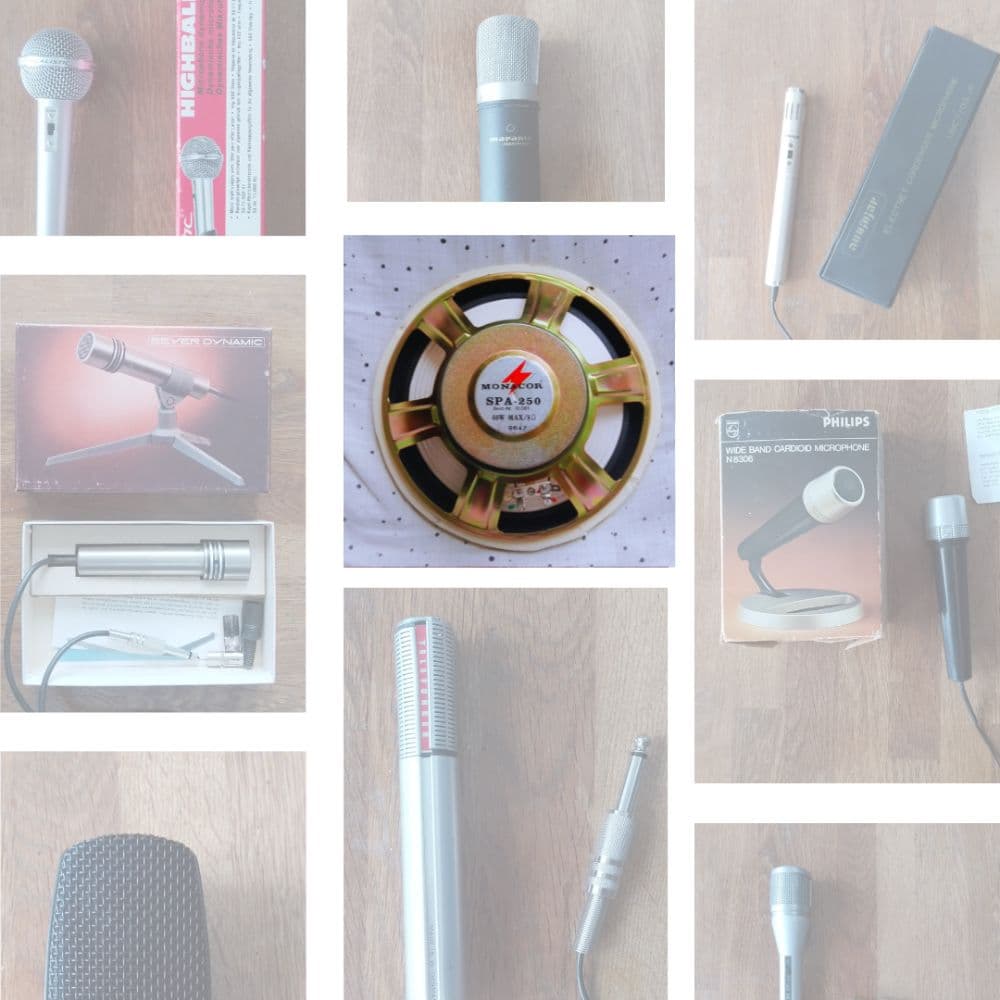
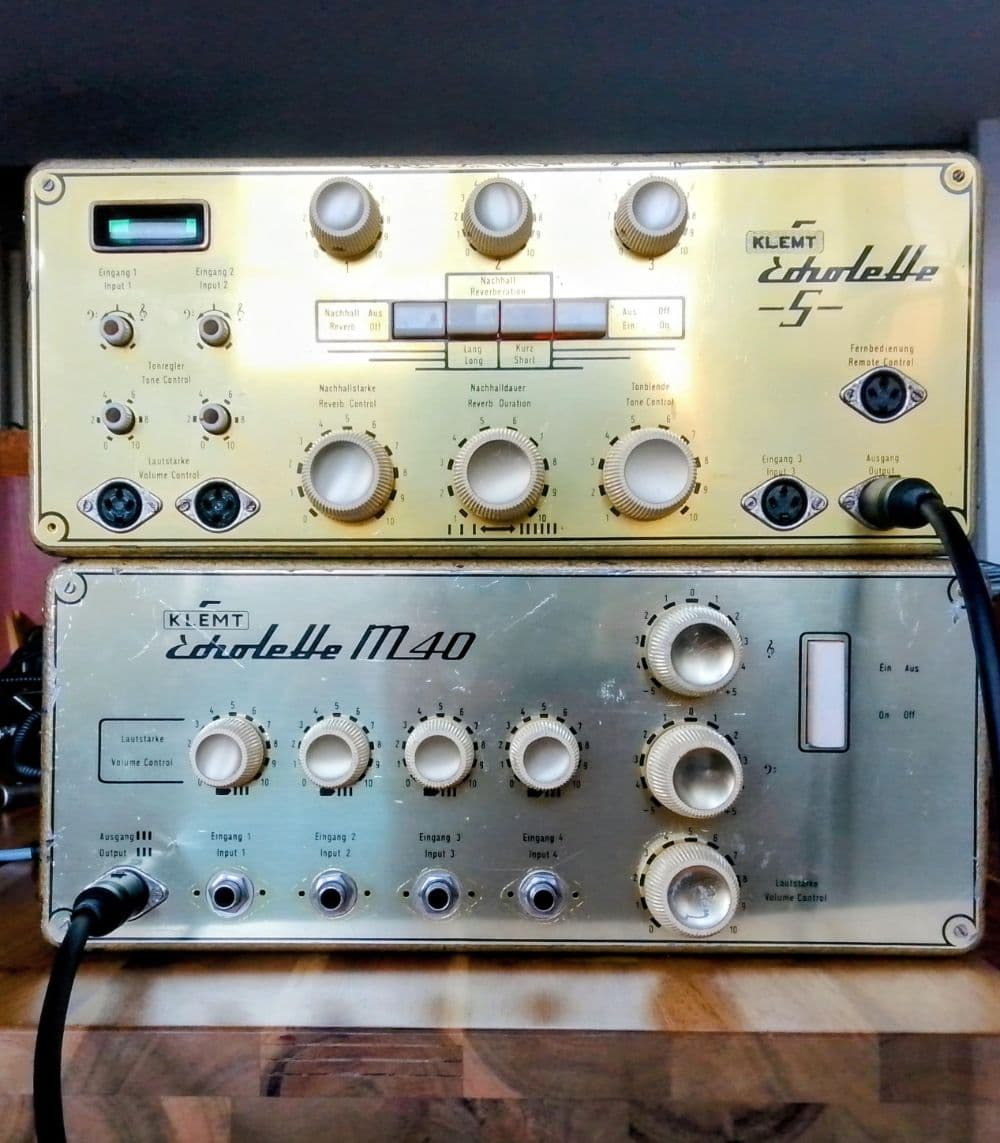
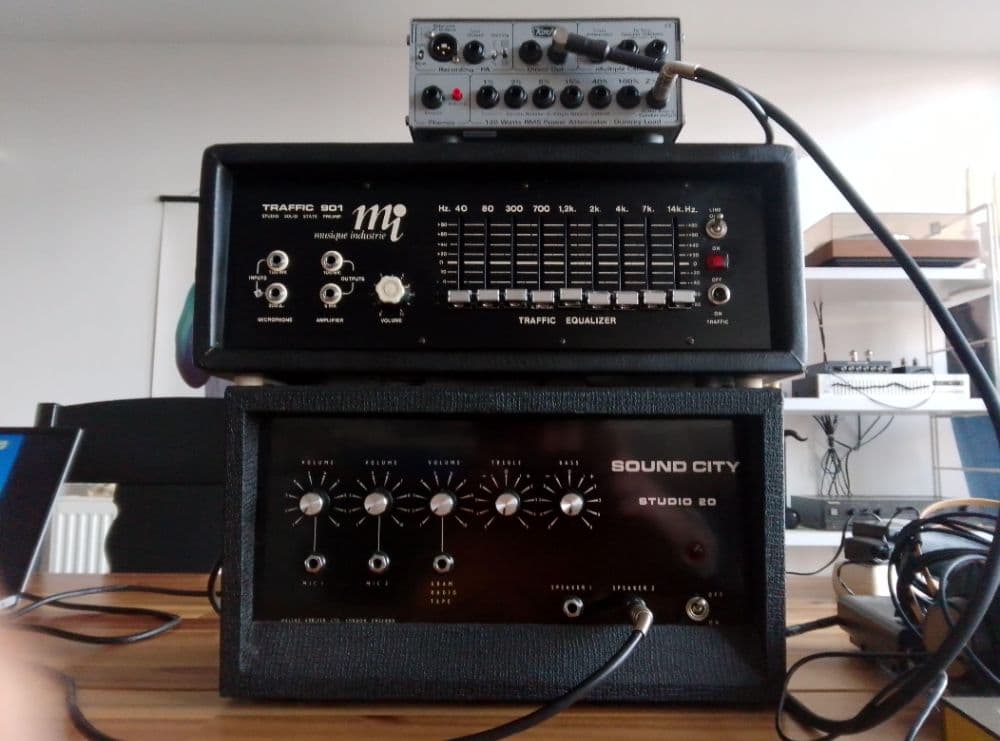
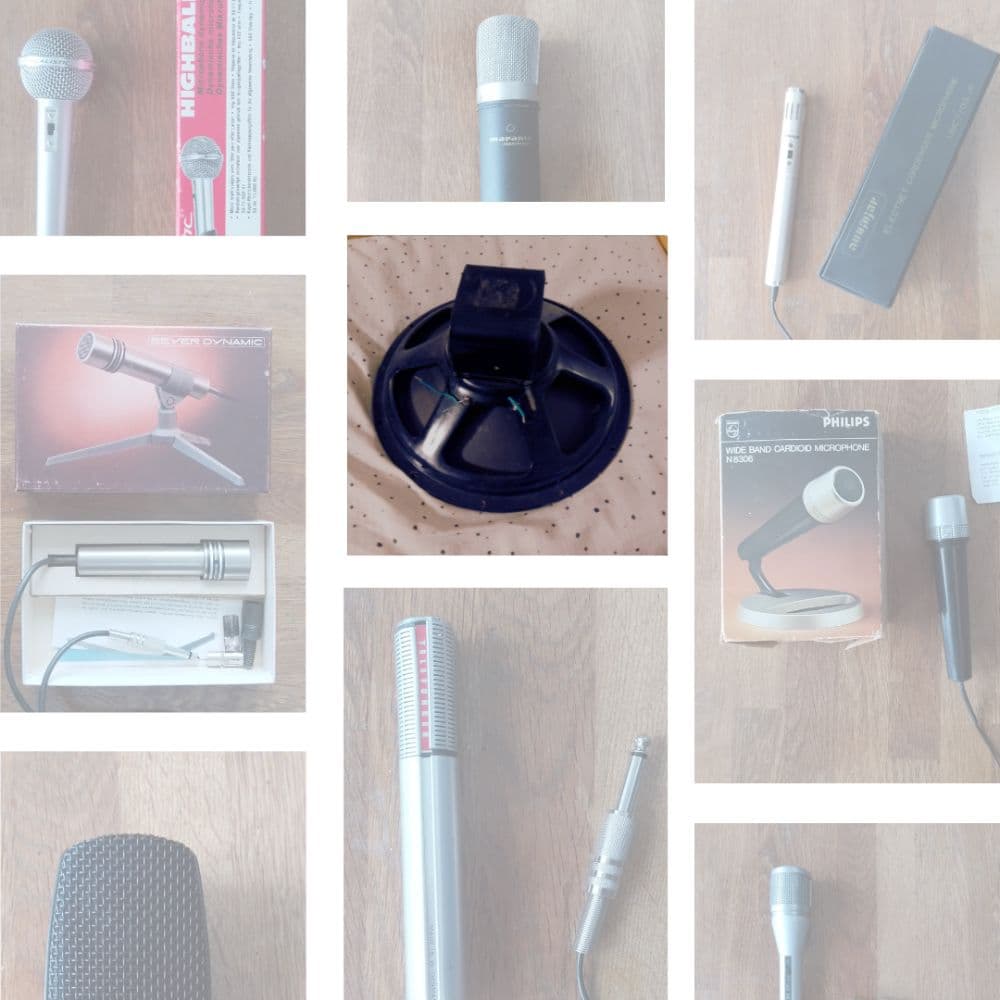
Known for its vintage Danish reliability, this 12 inch alnico speaker is quite inefficient, which means the amp can be pushed often, resulting in a natural, rich saturation that is enjoyable and musical. Its voice leans dark, lending a solid foundation to guitar, bass, and even hi-fi applications. While it is a bit disappointing for keyboard instruments, it shines in guitar applications where classic British and vintage American tones are desired. The speaker perfectly captures the grit and charm of WEM, Vox, and Sound City rigs from the 60s, giving a strong presence and organic compression. This speaker excels when pushed into dirt, hypercompressed fuzz, or rhythm parts. Its alnico voice brings warmth, touch sensitivity, and a musical decay that is ideal for vintage-style recordings. With careful EQ, it can also handle bass frequencies with surprising fidelity. Microphones (full specs): AKG D70, Dynamic, 1980s–1990s, Austria, 620 Ω Akai ADM 65, Dynamic, 1980s, Japan, 600 Ω Audiojap UMC7103/1P, Electret, 1980s, Japan, 600 Ω Behringer B 906, Dynamic, 2019, China, 600 Ω Beyerdynamic M 550 LM, Dynamic, 1970s, West Germany, 500 Ω Blaupunkt CR 4073, Dynamic, 1970s, Germany, impedance unknown Marantz MPM 1000, Condenser, 2010s, China, 200 Ω Philips N8306, Dynamic, 1969, Europe, 500 Ω Realistic Highball 2, Dynamic, 1973, Japan, 600 Ω Sony MTL F 96, Dynamic, 1964, Japan, 600 Ω Technics RP 3125E, Electret, 1970s, Japan, 600 Ω Telefunken TD26, Dynamic, 1969, Europe, 750 Ω Uher M 516, Dynamic, 1969, Germany, 500 Ω Each speaker is carefully prepared before capture, ensuring optimal performance and consistency. Speakers undergo a minimum one-hour cycle of white, pink, and brown noise, pushing them to the point of mechanical rattling to minimize unwanted artifacts during recording. These sessions are interrupted with sine wave cycles to further evaluate speaker behavior and maintain sonic integrity. All microphones are kept in a dust-free, dark environment and maintained regularly to guarantee accuracy. During recording, a 30-second sine sweep is used. The signal passes through a neutral preamp, a linear power amplifier, the reliable Fosi Audio V1.0G, and then to the speaker, with all microphones powered by a Behringer MIC500 USB equipped with a Brimar 12AU7 WA tube. Noise removal is applied only when necessary to preserve the original sound. Post-processing is performed meticulously. Files are normalized at -3 dB, DC offset is removed, and Voxengo Deconvolver is applied with MP transform. The resulting IRs are normalized again to -0.3 dB, producing clean, consistent, and high-fidelity captures. This methodology ensures every speaker and microphone combination is faithfully represented, providing reliable and professional-quality impulse responses for all applications.

Preview

IR
Input
Model

Powered by

Impulse Responses

Each impulse response is a snapshot that captures different mic placements, speakers, room positions, reverb settings etc.

Comments

Share your thoughts...
@username to mention • Ctrl+Enter to submit

License: T3K

Users may download and use the data file in software and publish the resulting outputs without royalties or restrictions. However, they may not upload, republish, or distribute the data file without the author's permission.

Use Your Tones

Load NAM files and IR's from TONE3000 onto a free plugin or compatible pedal.
TONE3000 Digital Models

NEW TO TONE3000?

Discover hyper-realistic digital models of iconic gear, including the Fender Twin Reverb, Vox AC30, Marshall JCM 800, and thousands more. Getting started is easy—and free!